Coast
Catalan Coastal Paths: A Responsible Walking Guide
Plan a safer, slower walk on Catalonia’s coastal paths with route choice, water, weather awareness, transport planning, and respect for the shore.
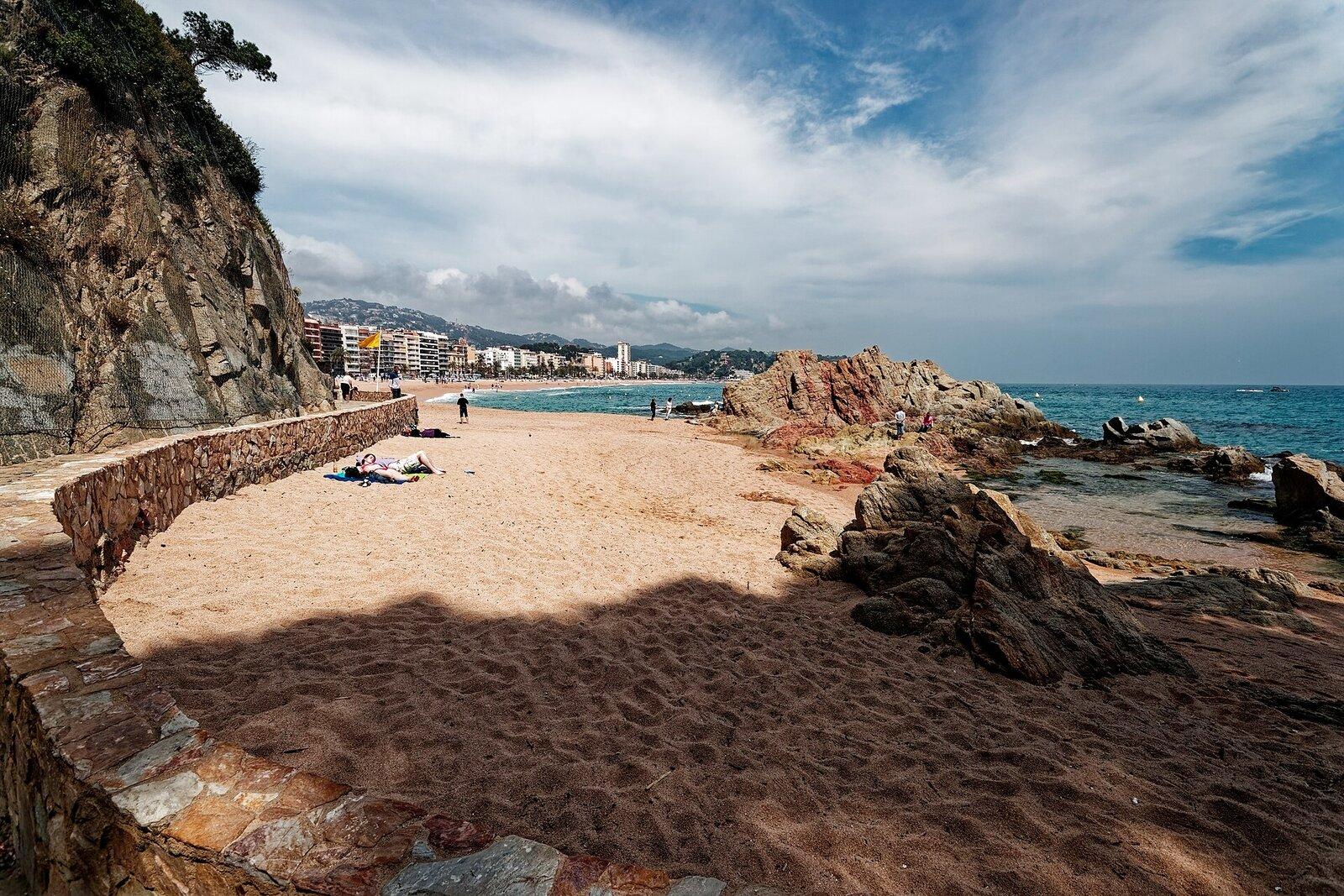
The camins de ronda reveal the Catalan coast one headland at a time. A path leaves a fishing town, climbs into pine shade, drops to a cove, and rounds a corner where the next village suddenly looks much farther away than it did on the map.
For a first walk, choose a short, well-described section and plan the return before setting out. Leave time for a swim or lunch rather than measuring success only in kilometres. These paths are a way to experience the shore, not one continuous trail you need to conquer.
Pick a Route for Your Day
Some coastal paths are paved and close to towns; others use rocky steps, steep slopes, and exposed sections. Read the official or local route description, including distance, elevation, surface, and return transport, before leaving your accommodation.
Do not assume every stretch joins seamlessly. Private land, erosion, construction, or seasonal closures can interrupt a route. A map line is not confirmation that a path is open or suitable.
Start Before the Heat
In warm months, begin early. Coastal shade can be scarce, and climbs away from a cove become much harder in midday sun. Carry more water than you expect to need, along with sunscreen, a hat, snacks, and footwear with grip.
Check the forecast for heat, wind, and storms. Strong wind can make cliff-edge sections unpleasant, while heavy rain can turn stone steps slippery.
Keep the Coast Clean and Safe
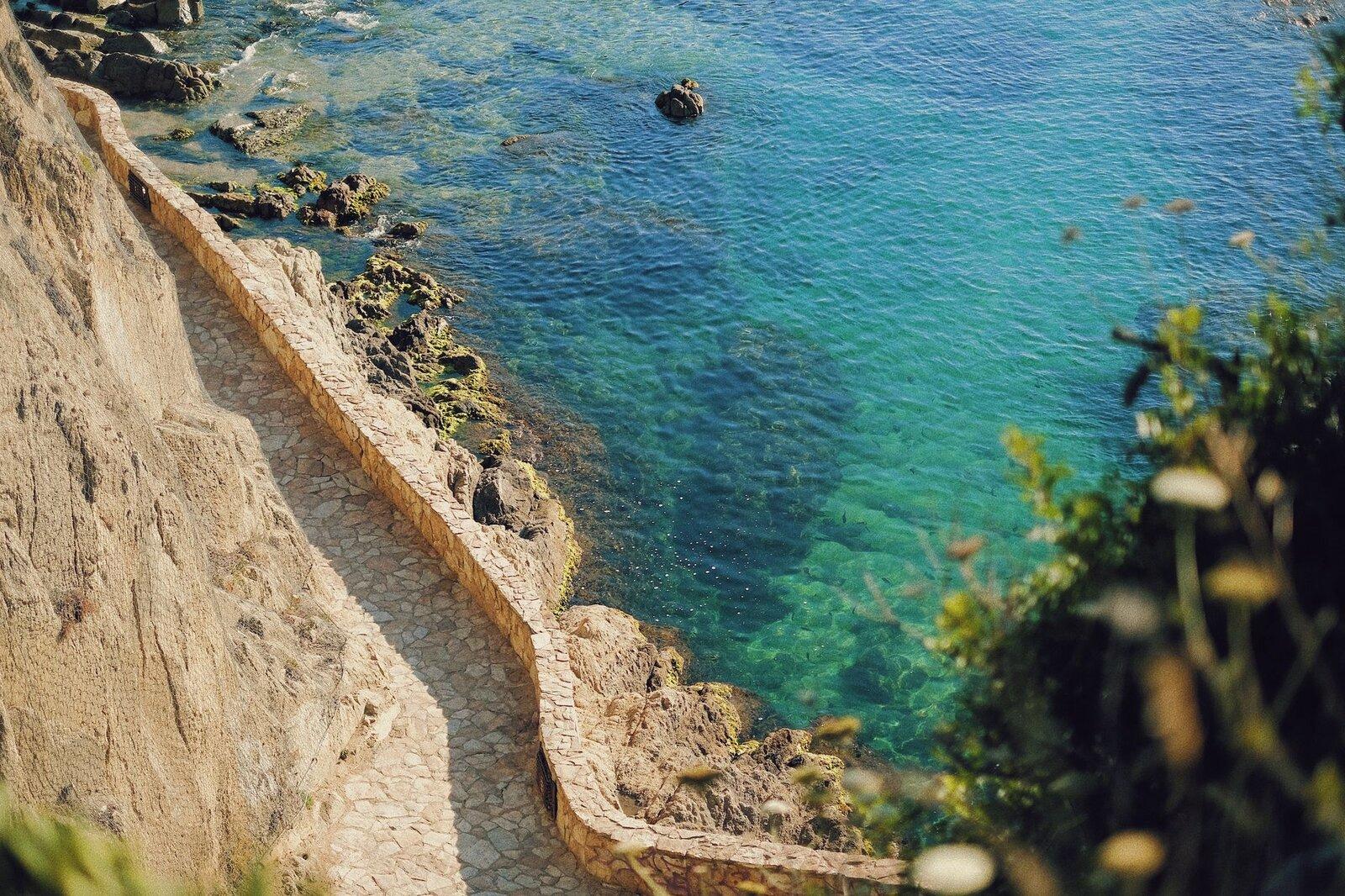
Stay on marked paths and do not create shortcuts across fragile vegetation. Take all litter with you, including food scraps. Avoid collecting shells, plants, or rocks from protected areas.
Swimming is an optional part of a coastal walk, not a guaranteed stop. Observe flags and local safety notices, assess currents, and never jump from rocks into water of unknown depth. Keep your valuables secure if you leave a backpack on the beach.
Plan the Return Before You Set Out
Point-to-point walks are wonderful, but only if the return works. Check bus and train times, taxi availability, and the final service of the day before you start. In smaller coastal settlements, services can be infrequent outside the main season.
Download maps and tickets where possible while you have signal. Tell someone your route if you will be walking a quieter section alone.
Take Time in the Towns
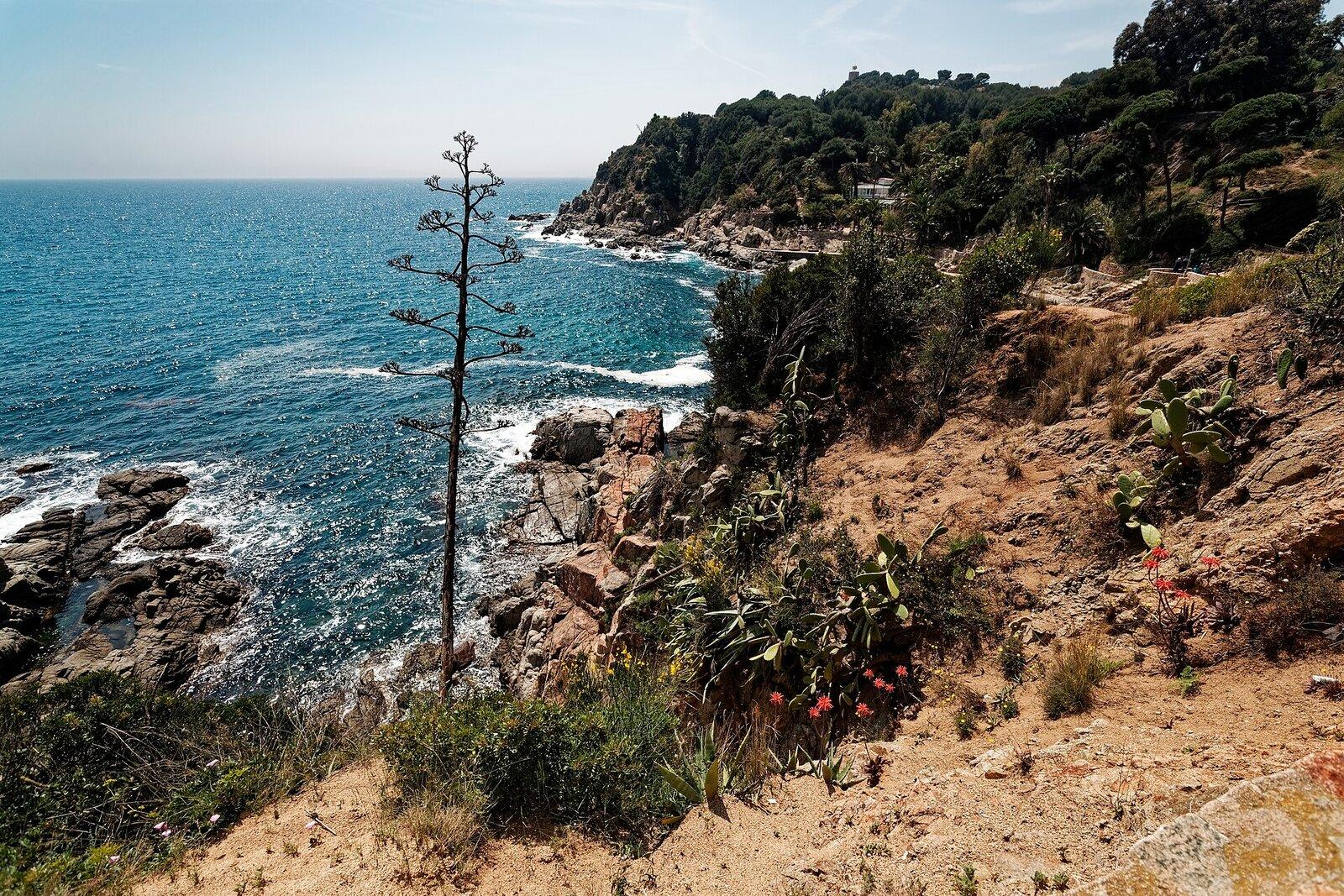
The paths are often at their best when combined with a town rather than treated as a workout. Walk from Calella de Palafrugell toward Llafranc, around Tossa de Mar, or along a route near a Costa Daurada resort, then stop for a drink or meal.
Arriving on foot changes how a coastal town feels. You notice fishing boats, small beaches, pine scent, and the transition from rock to street in a way that a car journey misses.
Walk in Every Season
Spring and autumn are particularly comfortable for longer distances. Summer is ideal for a swim but requires heat management and patience with crowds. Winter can be clear and quiet, though shorter daylight and rougher seas call for caution.
The camins de ronda are not a single attraction. They are a way of moving through the coast. Walk one section well, leave it as you found it, and save the next stretch for another day.
Are you in the know?
Don’t miss our latest Catalonia stories, routes, and practical travel tips.