Daytrip
How to Visit Montserrat from Barcelona: A First-Time Guide
Trains, cable car, basilica, Escolania, and hiking routes—everything you need for a first visit to Montserrat from Barcelona.
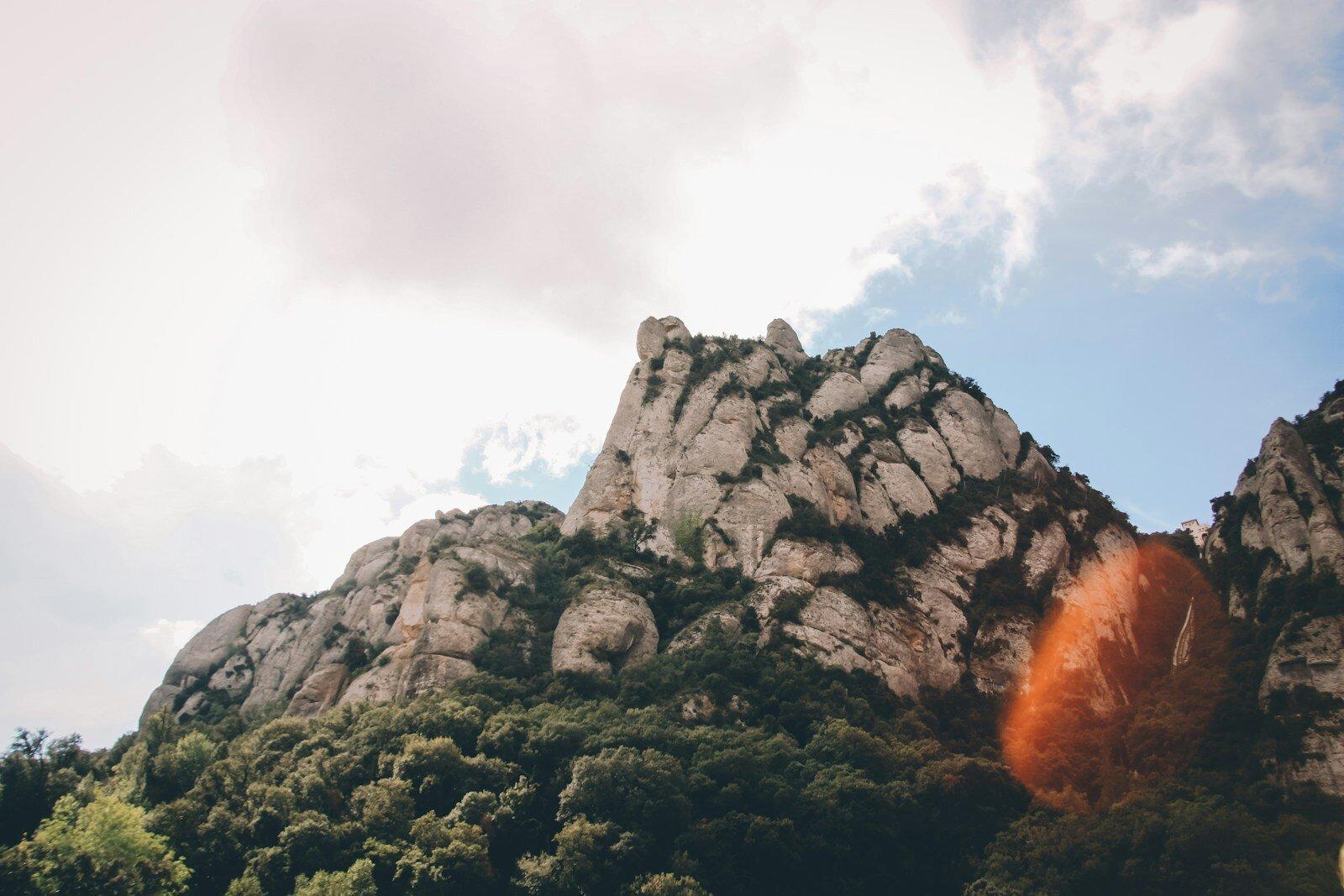
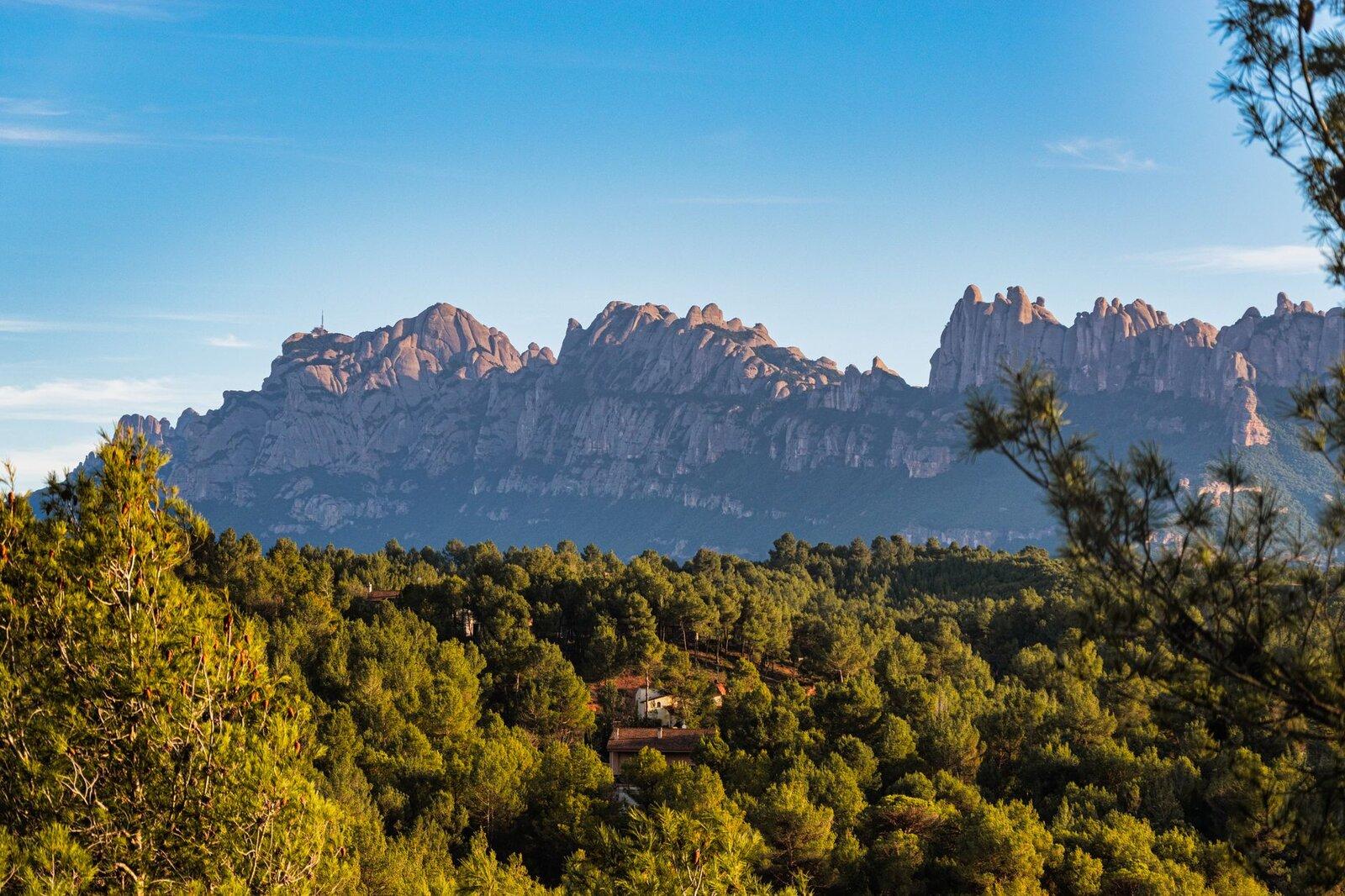
Montserrat first appears as a row of impossible-looking rock towers on the horizon northwest of Barcelona. Up close, it is several places at once: an active Benedictine monastery, a major Catalan spiritual and cultural symbol, and a mountain landscape threaded with walking paths.
For a first visit, allow a full day. Take public transport, choose either the cable car or rack railway before buying your ticket, see the basilica, and leave enough time for one short walk. That simple plan is far more satisfying than trying to fit every funicular, museum, and summit into a few hours.
What Is Montserrat?
The word “Montserrat” means “serrated mountain,” a fitting description of the massif’s distinctive outline.
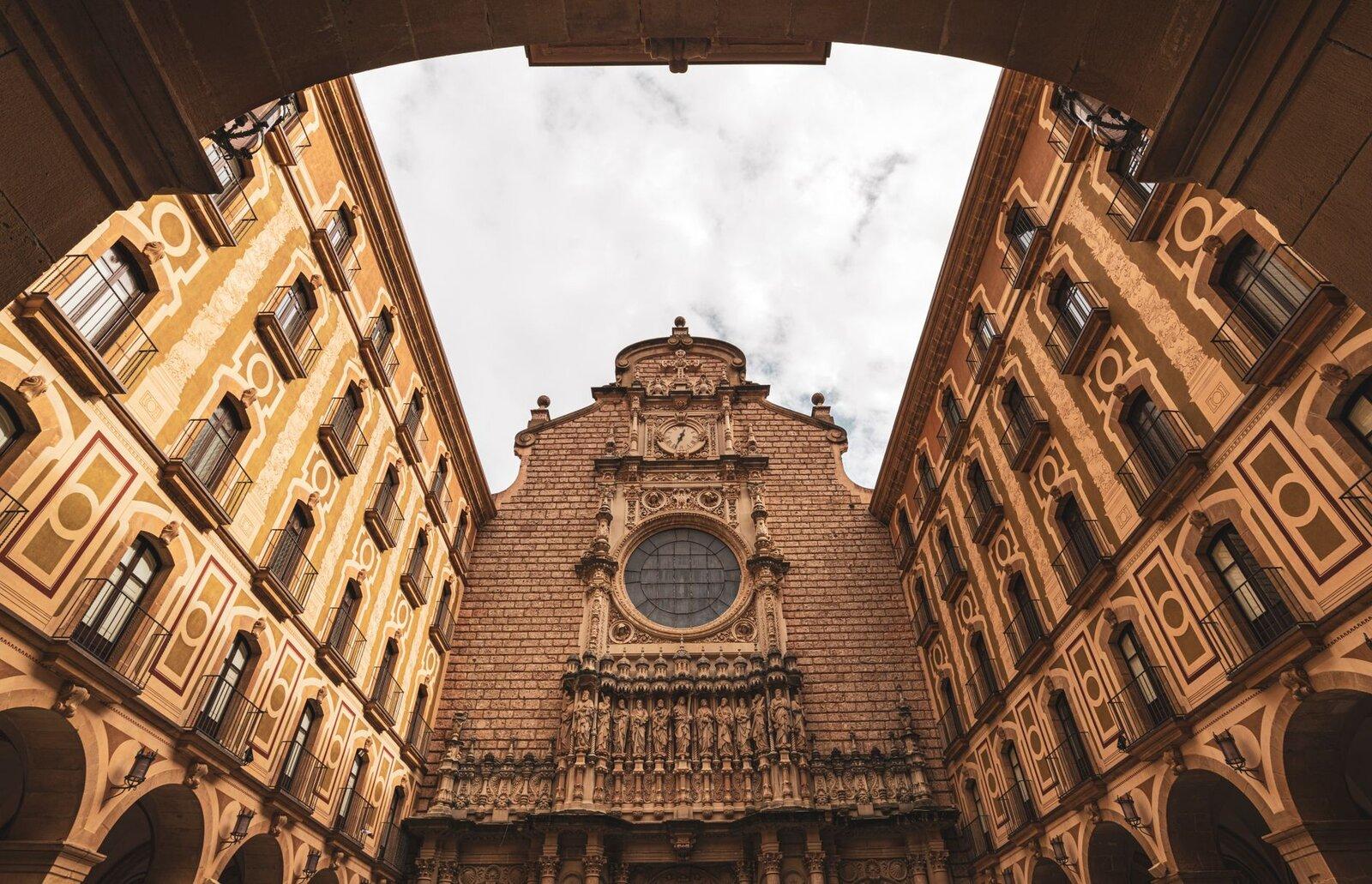
The sanctuary is built high on the mountainside and contains the monastery, basilica, museum, accommodation, restaurants, viewpoints, and access to several walking routes.
Montserrat remains a religious destination, not simply a tourist attraction. Visitors should behave respectfully around the basilica and areas used by the monastic community.
Getting to Montserrat from Barcelona
Travelers can reach Montserrat by car or public transportation. One of the most popular options is to take a train from Barcelona and continue up the mountain using either the rack railway or the cable car.
These are different connections departing from different stops, so decide which ascent you want before buying transport tickets.
Timetables, combination tickets, and maintenance closures can change. Check the official Montserrat website shortly before traveling rather than relying on an old itinerary.
Leave Barcelona early if you want more time for walking and a quieter visit to the sanctuary.
Visit the Basilica
The basilica is the spiritual center of Montserrat and contains the image of the Virgin of Montserrat, popularly known as La Moreneta.
Visitors may be able to enter the basilica and access the area associated with the Virgin, although reservations or controlled entry may apply during busy periods.
Religious services take place throughout the year. If you enter during worship, remain quiet and avoid interfering with participants.
Listen to the Escolania
Montserrat is home to the Escolania, one of Europe’s historic boys’ choirs. Many visitors hope to hear the choir during their trip, but performances are not guaranteed every day.
The choir takes holidays, travels, and follows a schedule connected to the religious calendar. Always consult the official calendar when planning your visit.
If hearing the Escolania is a priority, organize your itinerary around a confirmed performance rather than assuming one will take place.
Explore the Museum
The Museum of Montserrat contains works and archaeological objects from different periods and cultures. It offers a worthwhile cultural experience, particularly when poor weather makes hiking less attractive.
The museum is easy to overlook because many day-trippers focus exclusively on the basilica and viewpoints. Allow additional time if you are interested in art and history.
Take a Short Walk
You do not need to complete a difficult hike to experience Montserrat’s landscape.
The Degotalls Path is a relatively short walking option beginning near the sanctuary. It follows the mountainside beneath high rock walls and includes monuments and decorative ceramic works.
Another popular destination is the Sant Miquel viewpoint, reached by following a route uphill from the monastery area. The path provides increasingly broad views as it climbs.
Conditions can change quickly, so wear appropriate footwear and carry water even on shorter walks.
Hike Toward Sant Jeroni
Sant Jeroni is the highest point of the Montserrat massif and a popular objective for experienced walkers.
One approach uses the Sant Joan funicular to gain elevation before continuing along the marked trail. The route still includes climbing, stairs, and exposed sections, and it should not be treated as a casual city walk.
Check the weather, trail conditions, and funicular schedule before departing. Stay on marked paths, do not take shortcuts, and turn back if conditions become uncomfortable.
What to Bring
Bring comfortable shoes, water, sun protection, and an additional layer of clothing. Temperatures and wind conditions on the mountain may differ from those in Barcelona.
Food is available around the sanctuary, but carrying a snack is useful if you plan to walk. Do not leave litter or collect rocks and plants from the natural park.
How Much Time Do You Need?
A basic visit to the sanctuary may take half a day, including travel from Barcelona. A full day is preferable if you want to visit the museum, attend a religious or musical event, or complete a longer walk.
It is also possible to stay overnight. An overnight visit reveals a calmer side of Montserrat after many excursion groups have returned to Barcelona.
Montserrat can be approached as a religious site, a cultural landmark, or a mountain destination. The most rewarding visit makes room for all three.
Are you in the know?
Don’t miss our latest Catalonia stories, routes, and practical travel tips.