Rural
Lluçanès Farm-Shop Weekend: Food, Villages and Working Hours
Build one rural weekend around three confirmed producers or shops, safe cold storage and a Sunday market rather than an unreliable list of farm gates.
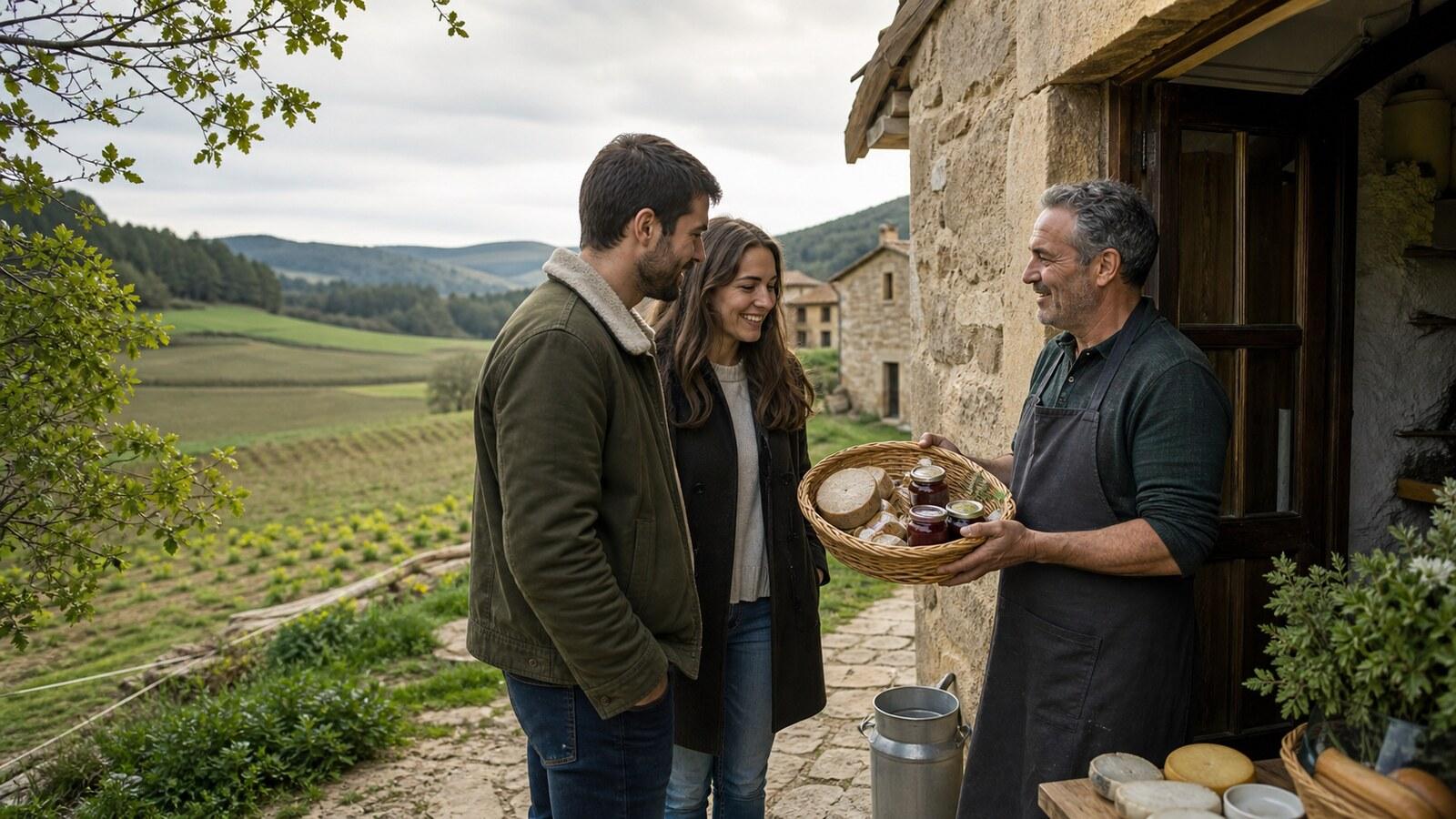
A food weekend in Lluçanès succeeds or fails before the car leaves Barcelona. Farms produce on working schedules, village shops close earlier than urban supermarkets, and a name in a tourism directory does not guarantee an open tasting room. Choose three confirmed purchases, not ten hopeful pins.
Prats de Lluçanès is the practical base. Arrive on Saturday before the first producer or shop closes, keep the evening in the village and use Sunday morning for the weekly market. One short signed walk supplies the landscape between meals without converting the weekend into a long rural drive.
Choose products, then contact sellers
The official Lluçanès food directory groups local chickpeas, dairy, cured meat, bread, preserves, meat, beer and other products, with named shops and producers. Use it to build a shortlist, then call or message each business directly. Ask whether the public can visit, whether advance ordering is needed and where a customer should park.
The cigró d’Oristà gives the route a specific local pulse, while dairies, bakeries and butchers make more reliable shopping anchors than an unannounced farm visit. A working yard is not a visitor center. Stay outside animal and production areas until invited, follow hygiene instructions and never photograph staff or livestock without permission.
Compare compact rental cars for Lluçanès only after the stops are confirmed. Check deposit, excess, fuel and mileage, and choose a vehicle suited to ordinary rural access—not one intended for off-road shortcuts.
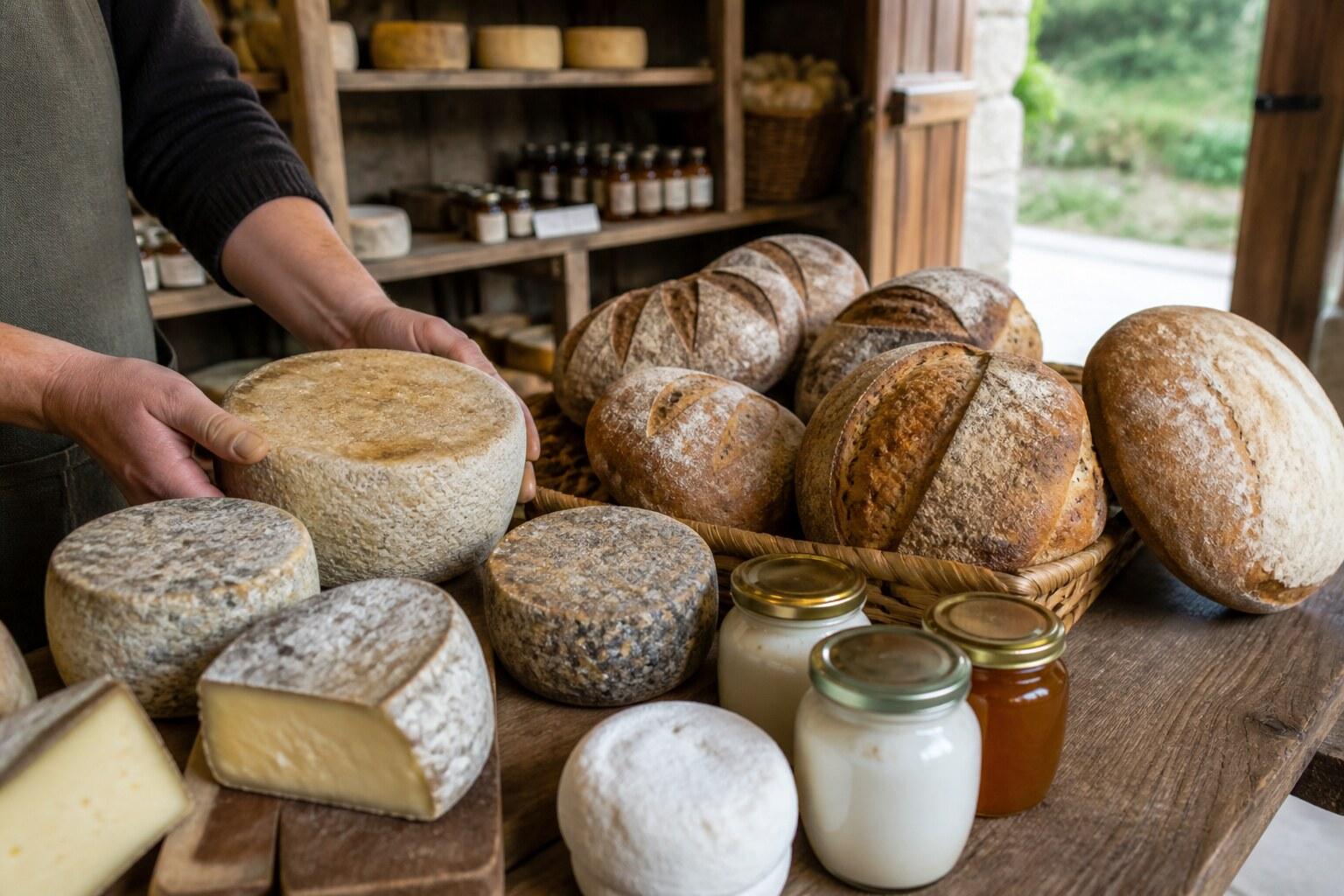
Saturday needs only two stops
Leave enough time to reach the first shop before lunch closing. Buy shelf-stable bread, chickpeas or preserves first; collect cheese, meat and other chilled products last. Carry an insulated box with ice packs and ask the accommodation to confirm refrigerator space before booking.
Eat lunch in a village rather than assembling samples into a meal. A long conversation with a producer is part of the day, so protect dinner by dropping a viewpoint or secondary shop when time slips. Driving sixty to one hundred kilometers across the weekend is already enough to connect several villages.
Reserve Saturday dinner. Rural restaurants may be lively at lunch and closed by evening, especially outside event weekends. The designated driver should remain alcohol-free; “local beer” or a tasting is still alcohol on narrow roads.
Let the basket explain the landscape
Buy fewer things and ask better questions. Oristà chickpeas, flour and bread speak to the plateau's dry farming; cheese and yogurt lead naturally to grazing and dairying; cured meat and fresh cuts have completely different transport needs. Ask where an ingredient was grown, who made the finished product and how local people cook it. That conversation is more valuable than collecting a souvenir from every category.
Bring reusable bags, a rigid crate for jars and labels for anything repacked at the accommodation. Keep receipts and original packaging for allergens and use-by dates. Raw-milk cheese, fresh meat and prepared food must remain cold; if the ice packs warm or the car sits in sun, eat locally or leave the product behind. A weekend dedicated to producers should not end by wasting their work.
There is also no obligation to request a tasting. Pay for what you buy, avoid bargaining with small producers and ask before opening food on the premises. If a visit is offered without a fee, a considered purchase is the courteous response, but it should still be something you can store and use.
Sunday belongs to Prats
The official weekly-market page says the market takes place every Sunday morning in Prats de Lluçanès. Recheck holidays and special arrangements, then browse with one shopping list. A market provides a resilient fallback when a farm appointment changes, but it does not promise that every producer in the directory will attend.
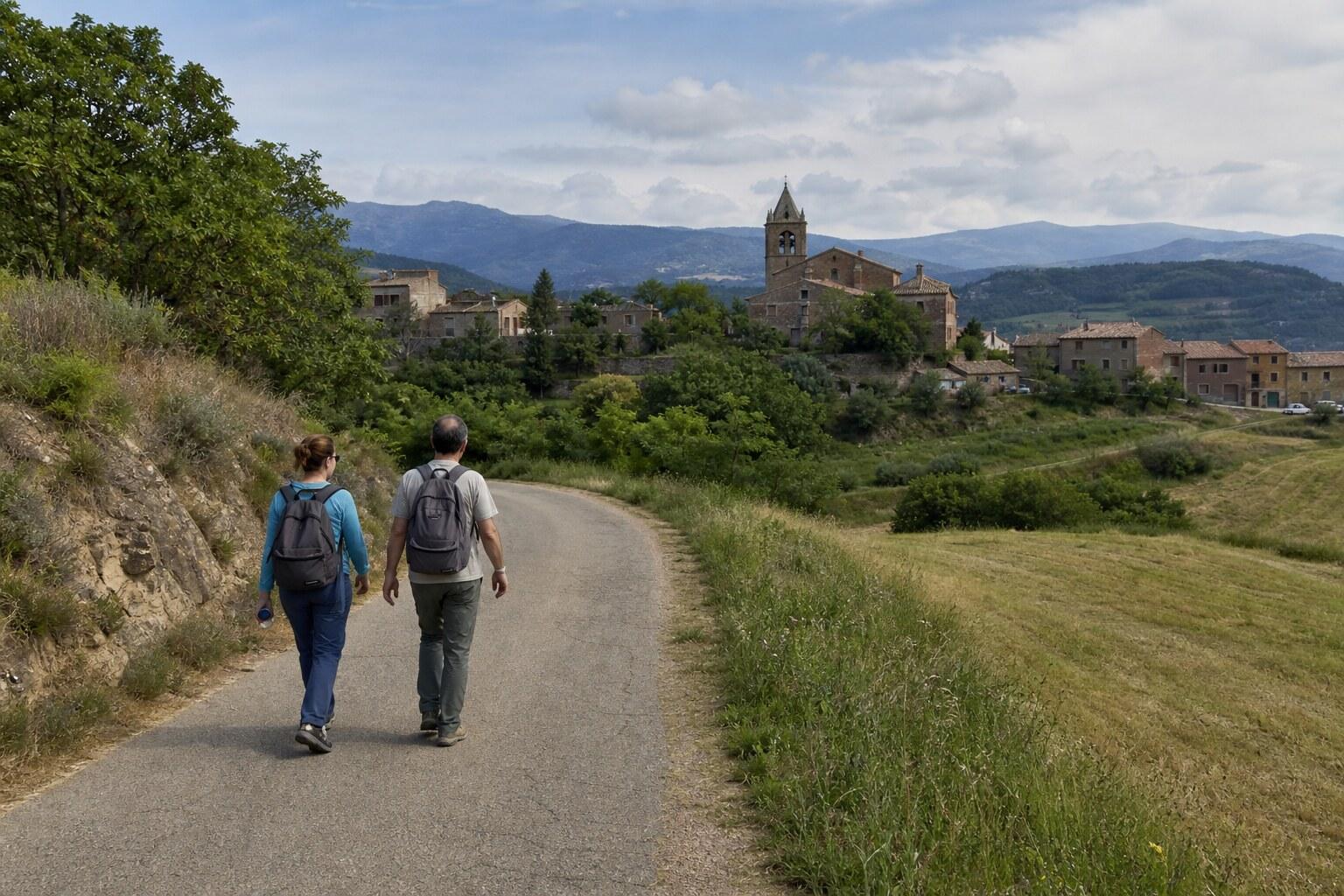
Afterward, take a two- to four-kilometer signed walk or a slow village circuit. Carry water and shoes with grip; rain can turn an easy farm track muddy. Do not enter fields, open gates or park at a private access simply because a map shows a footpath nearby.
Use roughly €160–350 for two as a broad one-night range covering room, meals, purchases and car costs. The amount of food bought should match safe storage and the journey home. Leave early enough to refrigerate perishables promptly.
If a producer cancels, accept the market or village shop instead of appearing at another farm unannounced. The weekend is about understanding a working food landscape, and respecting its working hours is part of the experience. Reconfirm every appointment, market operation, dinner, refrigeration and final road before travel.
Related guides
- Odèn and the Wild Solsonès: A Rural Weekend Plan
A two-night Odèn base with one mountain walk, a Cambrils day and enough daylight for the narrow roads that connect them.
- Solsonès Village Weekend: Solsona, Olius and Pinós
A two-night rural loop based in Solsona, with Olius, Pinós, realistic driving, meal planning, church access, and a wet-weather version.
- Vall d’Aran Village Weekend: Arties, Bagergue and Bossòst
Plan a two-day Vall d’Aran village loop that gives Arties, Bagergue and Bossòst time for churches, meals and ordinary valley life.
Are you in the know?
Receive new articles, local updates, and occasional offers from selected partners. We never share your email address. Unsubscribe at any time.
By subscribing you agree to our privacy policy.