Rural
Siurana Travel Guide: A Cliff-Top Village Above the Priorat
How to visit Siurana for its mountain views, small historic center, walking routes, climbing landscape, and a slower side of the Priorat.
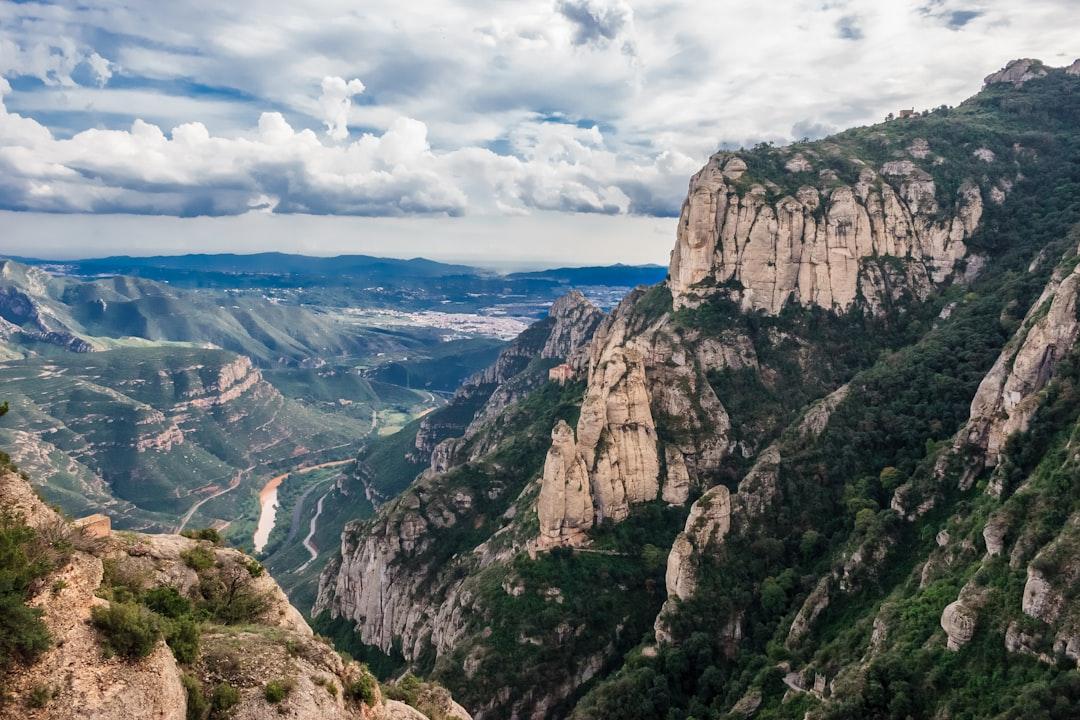
Siurana sits on its cliff like a lookout: a handful of stone lanes above blue reservoir water, with the Prades Mountains folding away behind it. The final road climbs slowly toward the promontory, building the view one bend at a time.
Come for half a day, longer if you plan to walk or climb. The village itself is tiny; its weight comes from the landscape, Romanesque church, layered history, and the exposed rock that has made Siurana known far beyond Catalonia’s travel circuit.
Arrive with Time to Spare
The road to Siurana is narrow and winding in places. Drive slowly, expect cyclists and walkers, and do not plan an arrival immediately before a reservation or sunset. Parking is limited near the village, especially on weekends and during popular outdoor seasons.
Once parked, the center is entirely walkable. The streets are uneven and often steep, so sturdy shoes are more useful than city sandals.
Walk Through the Village
Siurana’s center is only a handful of lanes, but each one opens onto wide mountain views or old stone buildings. Start near the village entrance and follow the lanes without rushing. The small Romanesque church of Santa Maria is one of the key landmarks.
The village is associated with the final Muslim stronghold in Catalonia, and local legend tells of Queen Abdelazia’s leap from the cliff rather than surrender. Treat the story as legend, but use it as an invitation to learn about the area’s layered medieval history.
Take in the Viewpoints Carefully
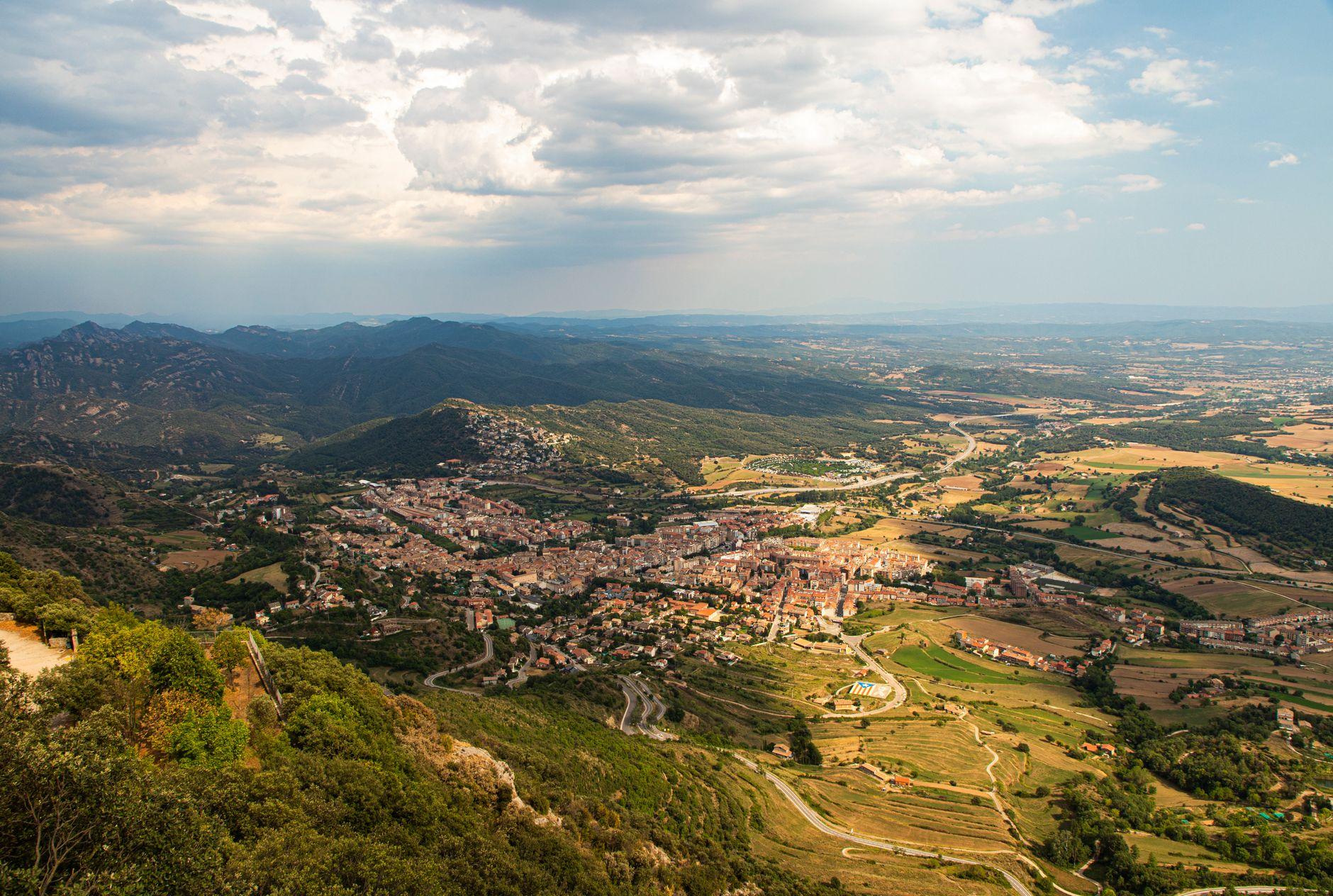
The cliffs around Siurana offer enormous views across the reservoir and surrounding ridges. They also have real exposure. Keep children close, respect barriers, and avoid stepping onto unstable edges for a photograph.
The light is especially attractive in the early morning and late afternoon. On a clear day, the landscape seems to stretch in every direction; in wind or low cloud, the same terrain can feel severe. Bring an extra layer even in warm weather.
Walk Beyond the Streets
Several marked paths leave from or pass close to Siurana. They range from short viewpoints to longer mountain walks. Choose a route that suits your experience, daylight, water supply, and forecast.
Trail conditions can change after rain, and heat can make exposed routes harder than they look on a map. Download or carry route information before setting out, stay on marked paths, and turn back if wind, weather, or timing makes the route uncomfortable.
Respect the Climbing Landscape
Siurana is one of Spain’s best-known sport-climbing destinations. Even if you do not climb, you may see climbers and ropes on the surrounding crags.
Do not walk beneath active climbing lines or disturb equipment. Climbers should follow local access rules and take particular care with parking, noise, litter, and the fragile vegetation around the cliffs.
Pair Siurana with the Priorat
Siurana is often visited from the wine villages of the Priorat or from the coast around Tarragona. It can be a rewarding contrast to a tasting-focused day: mountain scenery in the morning, then a long lunch or vineyard visit elsewhere.
Do not underestimate the driving time between stops. The distances are short on a map, but mountain roads make journeys slower. One main destination plus one secondary stop is usually enough for a satisfying day.
When to Visit
Spring and autumn are especially pleasant for walking. Summer brings long days but also heat and parking pressure. Winter can be beautifully quiet, although weather and shorter daylight require more preparation.
Siurana is best approached with patience. Let the road slow you down, walk the village carefully, and make room for the silence and scale of the landscape.
Are you in the know?
Don’t miss our latest Catalonia stories, routes, and practical travel tips.