Rural
Cerdanya Village Loop: Llívia, Ger and Bellver by Car
Drive a measured Cerdanya loop through Llívia, Ger and Bellver, ordered around the museum, lunch, parking and winter road conditions.
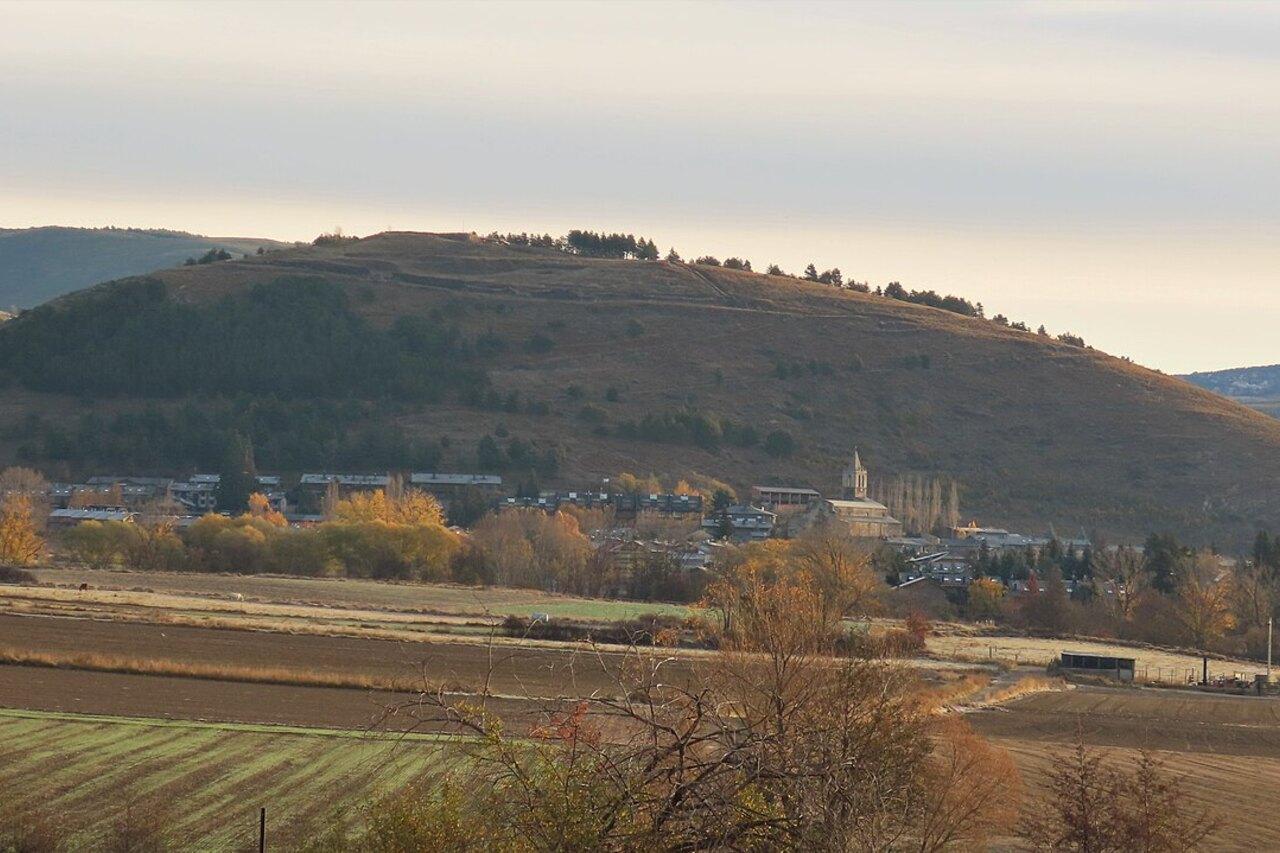
Llívia, Ger and Bellver line up across the Cerdanya basin, but the day is not simply “three villages on the N-260.” Llívia is a Spanish enclave reached from Puigcerdà across a short section of France. Ger sits back on the main east–west corridor. Bellver’s old centre rises above the Segre farther west. One opening time, one lunch reservation and winter daylight decide whether the loop feels spacious or rushed.
From a Puigcerdà-area base, start with Llívia while its municipal museum is open, pause in Ger, then give Bellver the long final stop and lunch. Reverse the order only when a confirmed Bellver visit or restaurant reservation is the day’s fixed point. The whole circuit is roughly 50 kilometres before parking searches or side trips; it is a village day, not a prelude to a ski station or high trail.
The loop in one view
| Leg | Allow | What controls it |
|---|---|---|
| Puigcerdà to Llívia | 15–20 minutes | French road section, local traffic and finding edge parking |
| Llívia visit | 90 minutes–2 hours | Museum hours and whether you climb toward the castle hill |
| Llívia to Ger | 20–30 minutes | Navigation back toward the N-260 |
| Ger pause | 35–60 minutes | Short centre walk, coffee and church exterior |
| Ger to Bellver | 15–20 minutes | N-260 conditions |
| Bellver visit and lunch | 2–3 hours | Restaurant service and steep streets into the old centre |
| Bellver to Puigcerdà | 25–35 minutes | Traffic, snow and low winter light |
Budget €55–€100 per person for fuel shared by two, museum entry, coffee and a good lunch, excluding accommodation and the drive into Cerdanya. Add roughly €90–€180 for a double room as a broad planning allowance, then replace it with live quotes for the chosen season. Ski weekends, school holidays and summer peaks can move well beyond it.
Llívia first: let the museum set the departure time
Llívia’s enclave status is not a trivia stop; it changes the approach. Normal navigation from Puigcerdà crosses into France and back into Spain, usually without drama, but drivers should carry the personal and vehicle documents required for both countries and should not assume their phone has remained on one network. Download the route before leaving the base.
Park on a signed public space outside the tightest old lanes rather than following the map pin to the museum door. Walk to Carrer dels Forns and begin with the Museu Municipal. The museum’s current visitor page lists Wednesday-to-Sunday opening, with different Saturday and Sunday hours and closure on Monday and Tuesday outside August. Its page also contains two slightly different summary timetables, so use the live booking slot or contact the museum before fixing the day.
The collection gives Llívia more than enclave novelty. Archaeology and local history lead to the surviving objects of the Esteva pharmacy: decorated containers, furniture and the material culture of a working pharmacy. The official ticket page currently lists ordinary admission at €4, with reduced rates. Reserve or reconfirm online, especially when a guided visit or holiday schedule matters.
After the museum, walk past the church of Mare de Déu dels Àngels and Torre Bernat de So. The castle hill is optional. It adds a real climb and uneven ground, not a quick extension for every traveler. If time, ice or mobility makes it unattractive, the centre and museum already complete the Llívia stop.
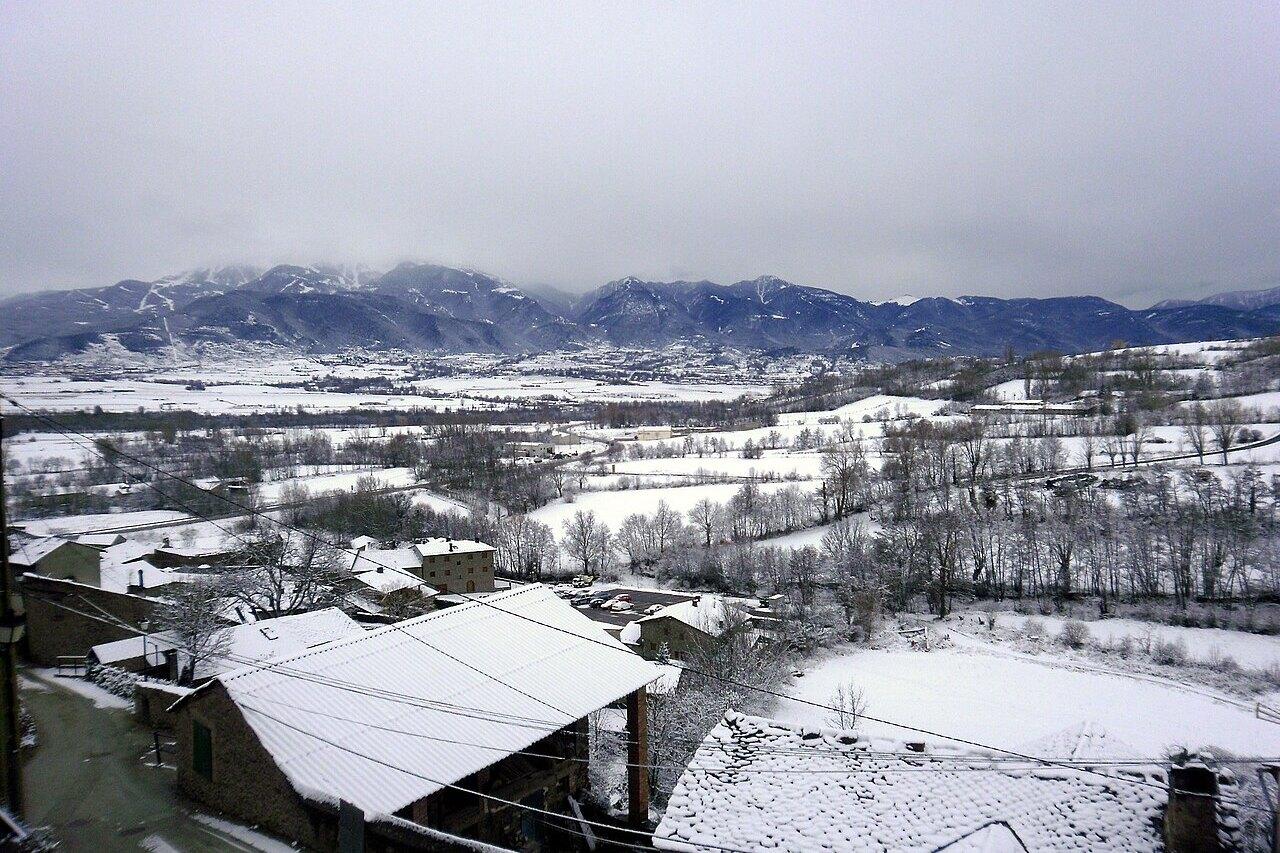
Ger is where the loop slows down
Leave Llívia by the planned road rather than trusting a last-second “shorter” mountain alternative. Return toward the basin and the N-260, then enter Ger only when you can park without blocking resident access. This is the smallest stop, and that is its value.
Walk Carrer Major and the lanes around Santa Coloma. The Ger municipal description explains that the parish is documented from the 10th century, while the present church is largely an 18th-century reconstruction. Its Isòvol-stone doorway and reused Romanesque ironwork reward a close exterior look even when the church is closed.
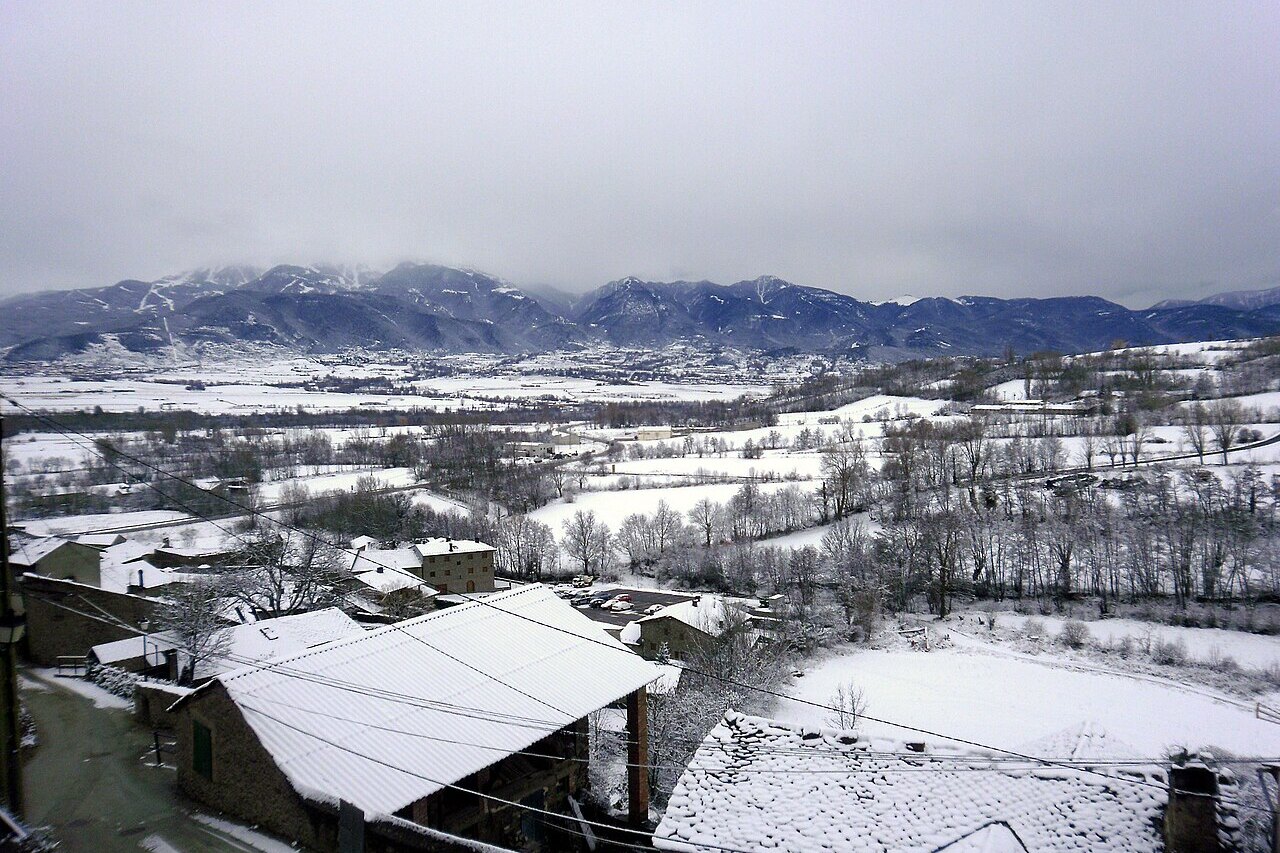
Do not turn the hour into an unplanned church chase. Santa Eugènia de Saga has an important Romanesque portal, but it is a separate side trip and interior access is not automatic. Add it only when the tourism office confirms access or the group specifically wants the architecture. Otherwise, coffee in Ger and a view across the basin do more for the rhythm of the day.
Ger is also the checkpoint for lunch. If the reservation is in Bellver, leave with at least 30 minutes beyond the nominal drive so parking does not consume the table time. If eating in Ger, reserve before the weekend and give the village the main pause instead of treating it as filler between two better-known places.
Bellver works best when the car stays below the old centre
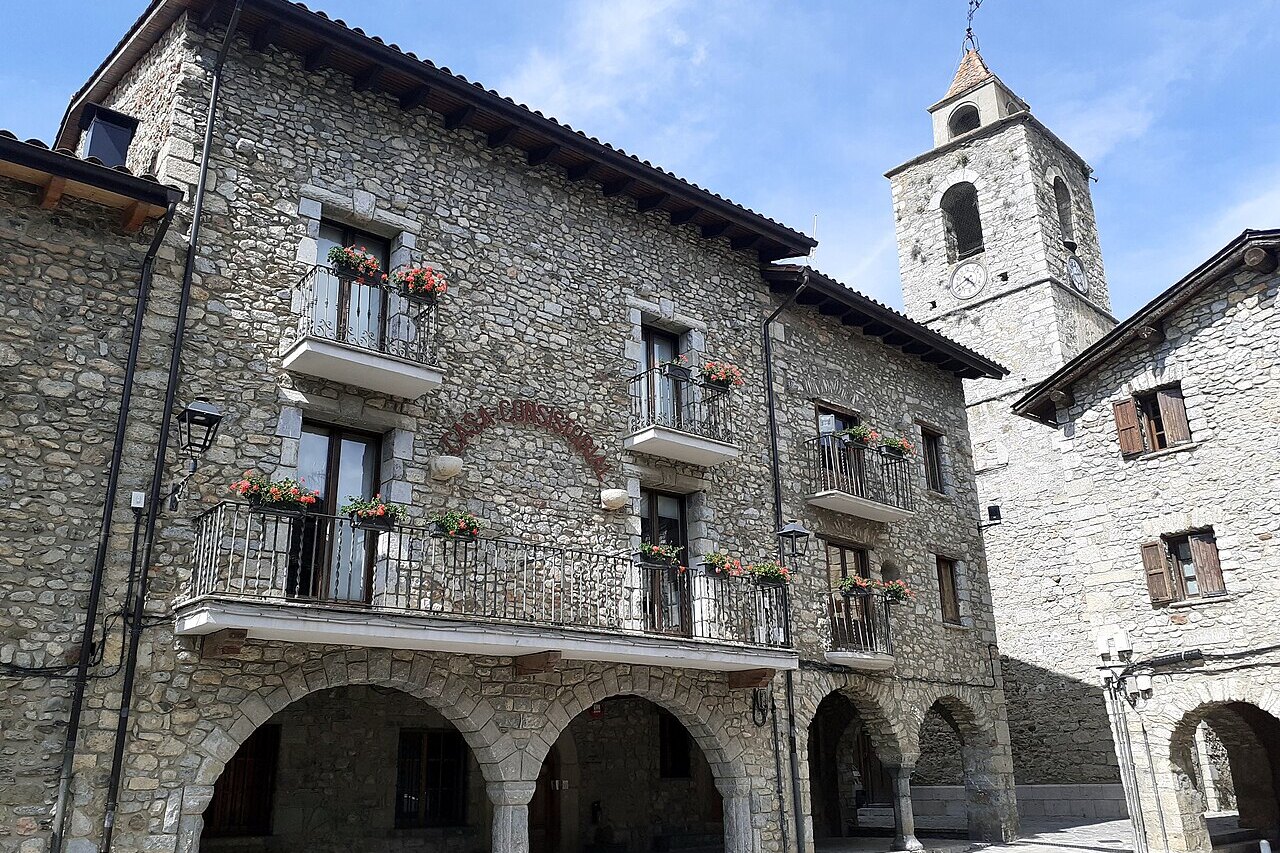
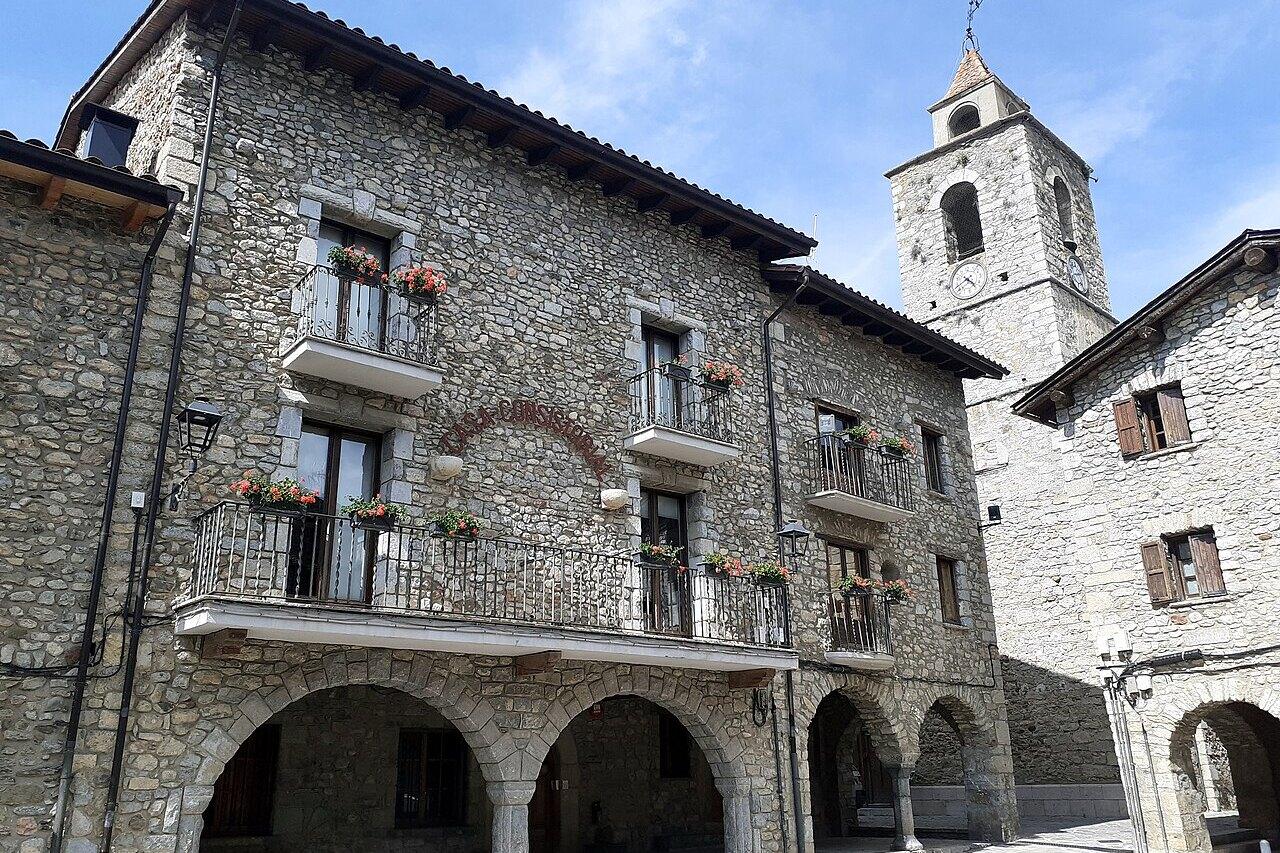
Bellver stands above the valley floor. Follow signed parking rather than pushing into the steepest historic streets, then climb on foot to Plaça Major. Travelers who need a low-gradient approach should ask the tourism office for the most suitable parking and route; “near the centre” on a map does not describe the slope or paving.
The Bellver visitor guide sets out a compact historic sequence: Plaça del Portal and the former defensive core, Plaça Major with its arcades, the church of Santa Maria i Sant Jaume, and views toward the Segre and surrounding ranges. Walk that sequence slowly enough to notice the town’s commercial role. Bellver is not a preserved shell; lunch, errands and local traffic continue around the old fabric.
Santa Maria de Talló lies outside the upper centre and deserves a deliberate choice. It is one of the valley’s major Romanesque churches, but an exterior stop and an interior visit are not the same plan. Contact the Bellver or Talló tourism office if entry matters. When daylight is short, choose between lingering in Bellver and driving to Talló; doing both hurriedly weakens each.
Reserve lunch for roughly the local service window stated by the restaurant, then arrive on its terms. A planning range of €25–€45 per person covers many two-course or menu-style lunches with a drink, but this is not an official tariff. Confirm the current menu, kitchen closing time and accessibility rather than assuming tables remain available through the afternoon.
Choose the base for the morning you want
Puigcerdà is the easiest general base: more services, rail access and a short start toward Llívia. It also makes the loop a clean circuit. Llívia is better when the museum, a quieter evening and an early eastern start are priorities. Bellver is the better western base when the old town, Talló or a following journey toward La Seu d’Urgell matters more than returning east.
Compare Cerdanya accommodation for the same dates, then confirm parking, breakfast time and winter access with the property. A cheap room that requires a dark, icy drive before breakfast may be poor value for this loop.
The three stops are possible without an overnight if the traveler is already in the valley. From Barcelona or Girona, forcing the approach, full loop and return into one winter day creates more motorway than village time. Stay one night or remove a stop.
When the N-260 is not the day you planned
In winter, check Catalan traffic information for the N-260 and local approaches before departure. Also check conditions for the French section toward Llívia through an appropriate French road source. On-road instructions, closures and equipment requirements override this itinerary.
Snow on the surrounding peaks does not describe the road surface in each village. Shaded streets and car parks can remain icy after the main carriageway clears. Carry the required winter equipment, know how to use it and avoid testing unfamiliar chains at the roadside. Footwear with grip matters as much as the car on Bellver’s slopes.
If the museum is unexpectedly closed, keep Llívia to its church precinct and centre, then give Ger or Bellver more time. If snow worsens from the west, omit Bellver and return from Ger. If the N-260 is restricted, remain in the base town rather than searching for a minor-road bypass. The point of the loop is to read three positions in one inhabited basin; reaching all three after the safe margin disappears proves nothing.
The regional municipality guide is useful for rebalancing the day: it identifies Llívia’s museum, Ger’s quieter municipal character and Bellver’s old quarter and Talló. Use those differences to shorten intelligently. One open museum, one unhurried village and lunch before the light fades can be the better Cerdanya day.
Related guides
- Les Garrigues During Olive Harvest: Mill and Village Weekend
Build a Les Garrigues harvest weekend around one confirmed mill visit, an Arbequina tasting and time in La Granadella or Les Borges Blanques.
- La Bisbal, Monells and Madremanya: A Working Empordà Weekend
Anchor an Empordà weekend in La Bisbal’s ceramics trade, then visit Monells and Madremanya without treating lived-in villages as scenery.
- Horta de Sant Joan: Village Streets and a Countryside Day
Spend a village-first day in Horta de Sant Joan with the Centre Picasso, a local lunch and an optional visit to the Sant Salvador surroundings.
Are you in the know?
Receive new articles, local updates, and occasional offers from selected partners. We never share your email address. Unsubscribe at any time.
By subscribing you agree to our privacy policy.