Rural
Les Garrigues During Olive Harvest: Mill and Village Weekend
Build a Les Garrigues harvest weekend around one confirmed mill visit, an Arbequina tasting and time in La Granadella or Les Borges Blanques.
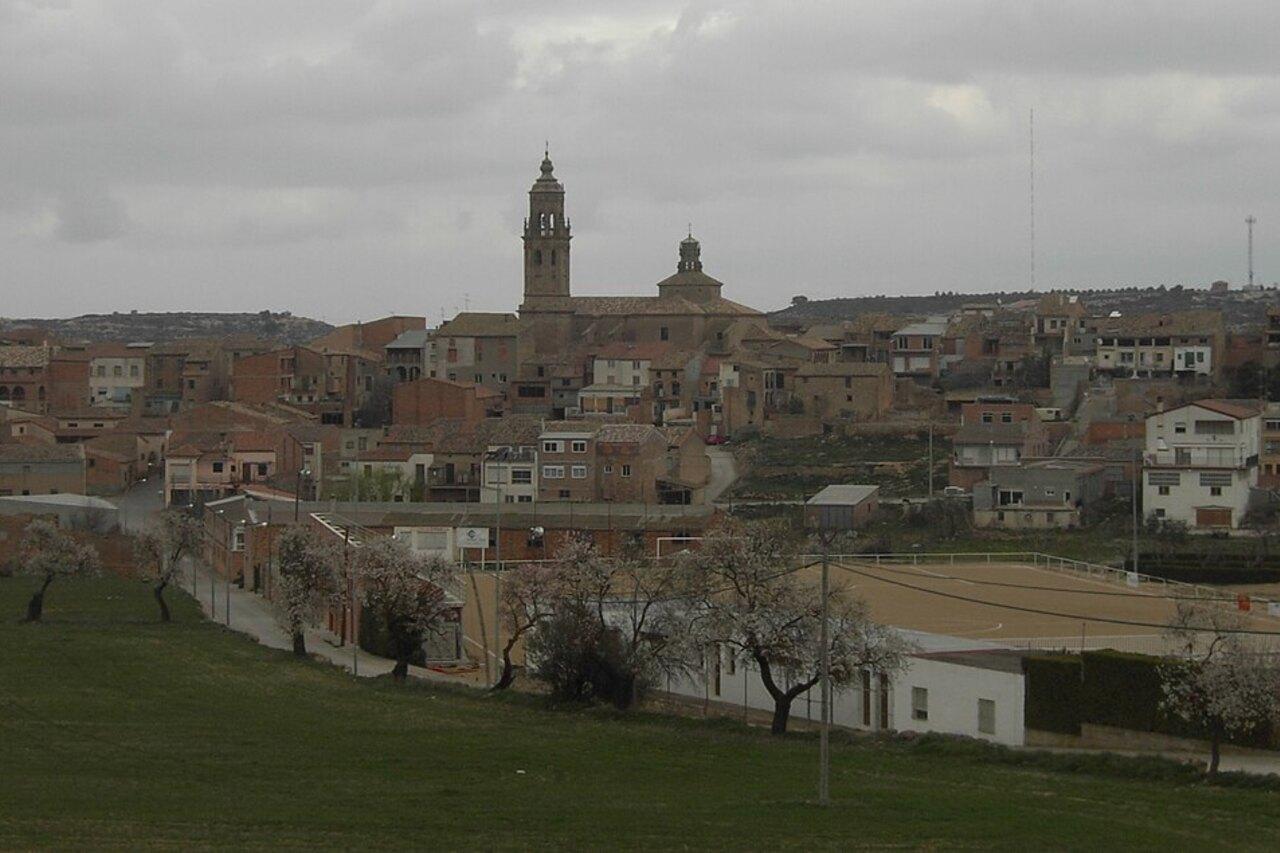
An olive mill in harvest season is a workplace under pressure. Trailers arrive, fruit needs processing and staff are accountable to growers. That makes an unannounced request for a tour particularly ill-timed, even when the shop door is open.
Plan a Les Garrigues weekend in the opposite order: obtain one clear appointment, choose a base that fits it, then add a village, lunch and landscape stop. The reward is not access to every machine. It is understanding how Arbequina fruit moves from field to sealed oil while leaving the people doing the work enough room to do it.
Make the mill appointment before the hotel booking
The current DOP Les Garrigues directory lists certified cooperatives and mills, including Arbeca, Les Borges Blanques, Vinaixa and other nearby towns. It also says that member outlets extend buying hours during the principal mid-November-to-late-January sales period, while directing visitors to contact each producer about guided visits. Treat the directory as a shortlist, not as a universal tour timetable.
Write or call one mill and ask five specific questions:
- Is a public visit available on the exact date, and must it be reserved?
- Will pressing be visible, or is the visit an explanation and tasting only?
- How long does it last, what language is used and what does it cost?
- Are enclosed shoes, age limits or mobility constraints relevant?
- Can the shop pack bottles or tins for the traveler’s onward journey?
A useful answer may be “the shop is open but production access is not.” Accept that distinction. Food-safety rules, moving vehicles, noise and the harvest workload are not obstacles staged for tourists.
A compact two-day harvest plan
| When | Plan | Commitment |
|---|---|---|
| Friday evening | Arrive in Les Borges Blanques or La Granadella; confirm Saturday’s contact | Lodging and dinner |
| Saturday morning | One prebooked mill, oil-culture centre or cooperative visit | 60–90 minutes plus shopping |
| Saturday lunch | Reserve in the same town or on the direct route | Do not assume rural kitchens serve all afternoon |
| Saturday afternoon | La Granadella streets and olive landscape, or Arbeca and its cooperative shop | Keep it weather-flexible |
| Sunday morning | Les Borges Blanques and Cal Gineret, if a visit is operating | Confirm access separately |
| Sunday midday | Buy the final sealed oil, then depart before adding another mill | Protect bottles from heat and impact |
For two people sharing, a working planning allowance is €130–€260 per person for two nights, two dinners, simple lunches, tastings and local driving, excluding transport to the comarca and oil purchases. Live room and menu prices can fall outside that range. The tasting itself is rarely the large cost; accommodation, meals and how many tins go home are.
Les Borges Blanques gives the broadest choice of everyday services and the easiest base for arrivals from Lleida. La Granadella is quieter and puts the oil interpretation directly in the village. Arbeca makes sense when its cooperative appointment is the anchor. Compare accommodation near Les Garrigues, but ask where dinner is available on both nights before choosing a remote property for atmosphere alone.
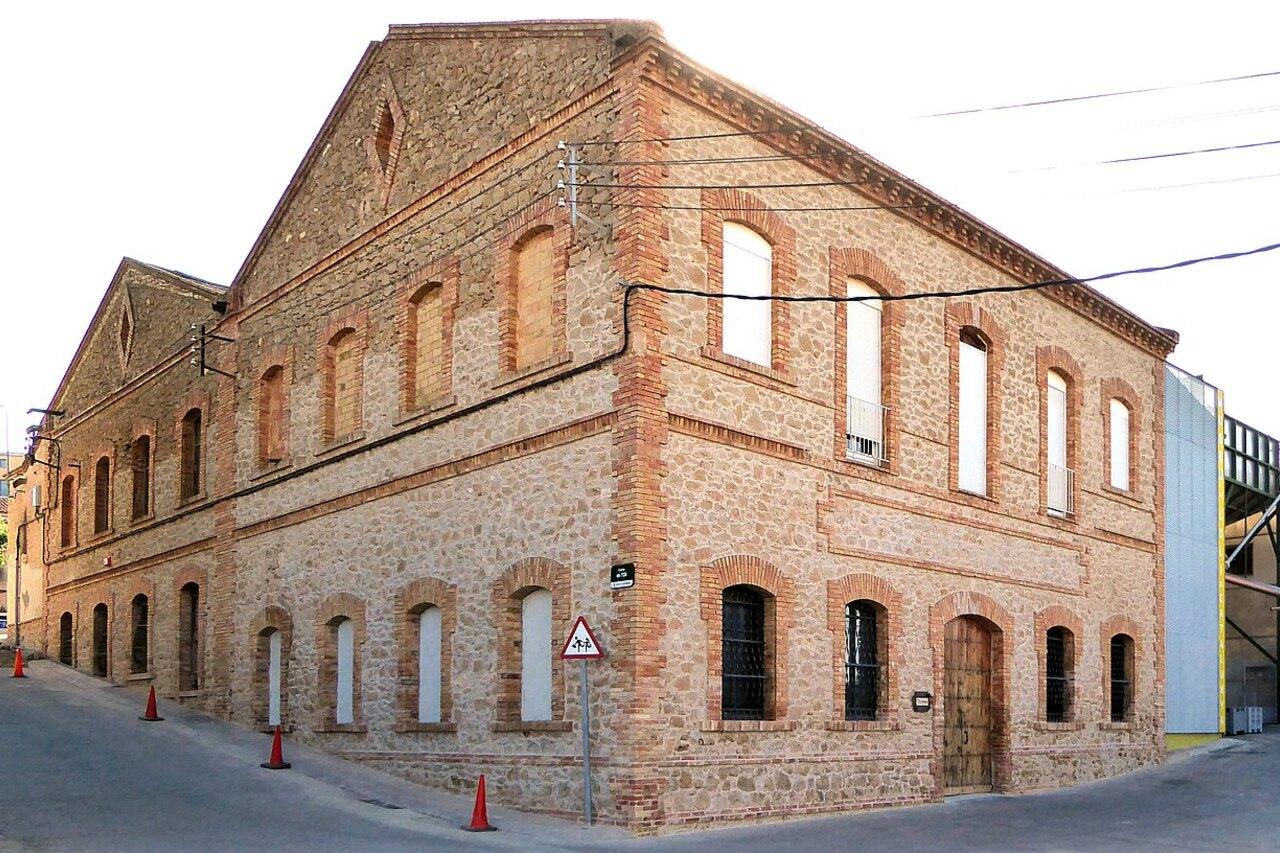
La Granadella explains the work when the press floor cannot
La Granadella is the strongest controlled fallback because it separates interpretation from active production. The Centre de Cultura de l’Oli de Catalunya visitor page currently advertises morning opening from Tuesday to Saturday, says reservation is always required and lists inexpensive guided-visit and tasting combinations. Reconfirm every detail directly; seasonal programming and staffing can change.
The centre helps establish the vocabulary before a producer tasting: fruit condition, harvest timing, milling, storage and the difference between agricultural origin and packaging. The Museu de l’Oli de Catalunya, associated with the village cooperative, adds historic equipment and the social story of collective production. Ask whether the combined centre-and-museum visit is operating on the intended day rather than assuming both doors follow one schedule.
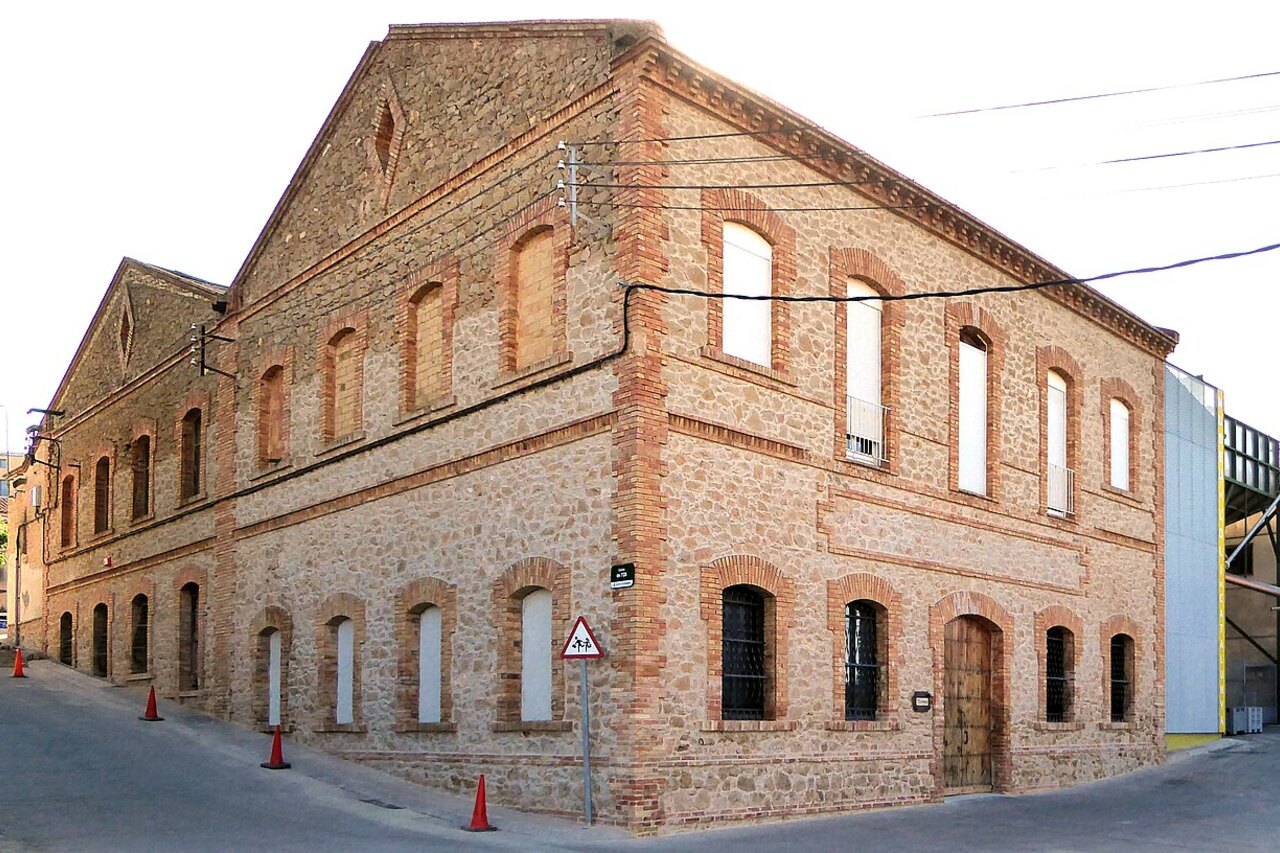
Afterward, walk the centre of La Granadella and look back at the slopes around it. The village makes sense as part of an oil landscape only when the fields, buildings, growers and sales counter remain connected. A photograph of a stone façade without that chain misses the weekend’s subject.
Taste the harvest without chasing “the strongest” oil
DOP Les Garrigues covers extra-virgin oil made from Arbequina olives under its certified origin and quality rules. The council’s oil profile describes fresh olive fruit, green almond, grass, leaf, tomato and artichoke notes, with balanced bitterness and pungency. It also explains that greener fruit tends to make those sensations more intense, while riper fruit can taste gentler and sweeter.
Use those descriptions as prompts, not a scorecard. Warm the covered tasting cup in your hand, smell first, take a small sip and notice fruit, bitterness and the peppery feeling in the throat. Ask what harvest date, orchard source or filtration choice explains the difference between two oils. Freshness does not require liking the most forceful sample.
Bread can come afterward. Starting with bread makes it harder to separate the oil’s aroma and texture from salt, toast and tomato. If you are driving, an oil tasting creates no alcohol issue, but a long series of rich samples can still be tiring; one structured tasting is enough.
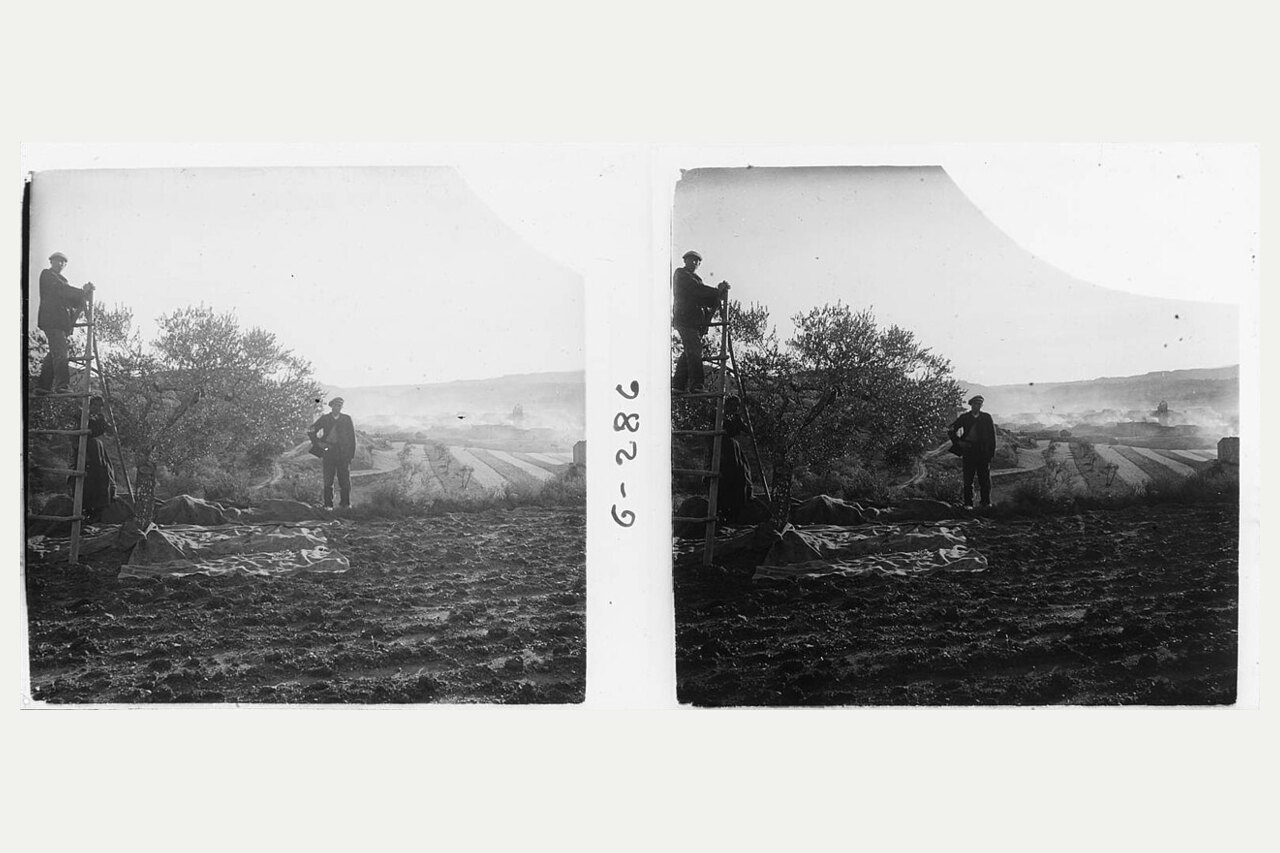
Harvest timing is agricultural, not a fixed festival performance. Weather, ripeness, yield and each producer’s plan move the dates. A November weekend may show intense activity; another date may offer only a shop tasting or interpretation visit. Ask what will genuinely be happening rather than requesting a demonstration.
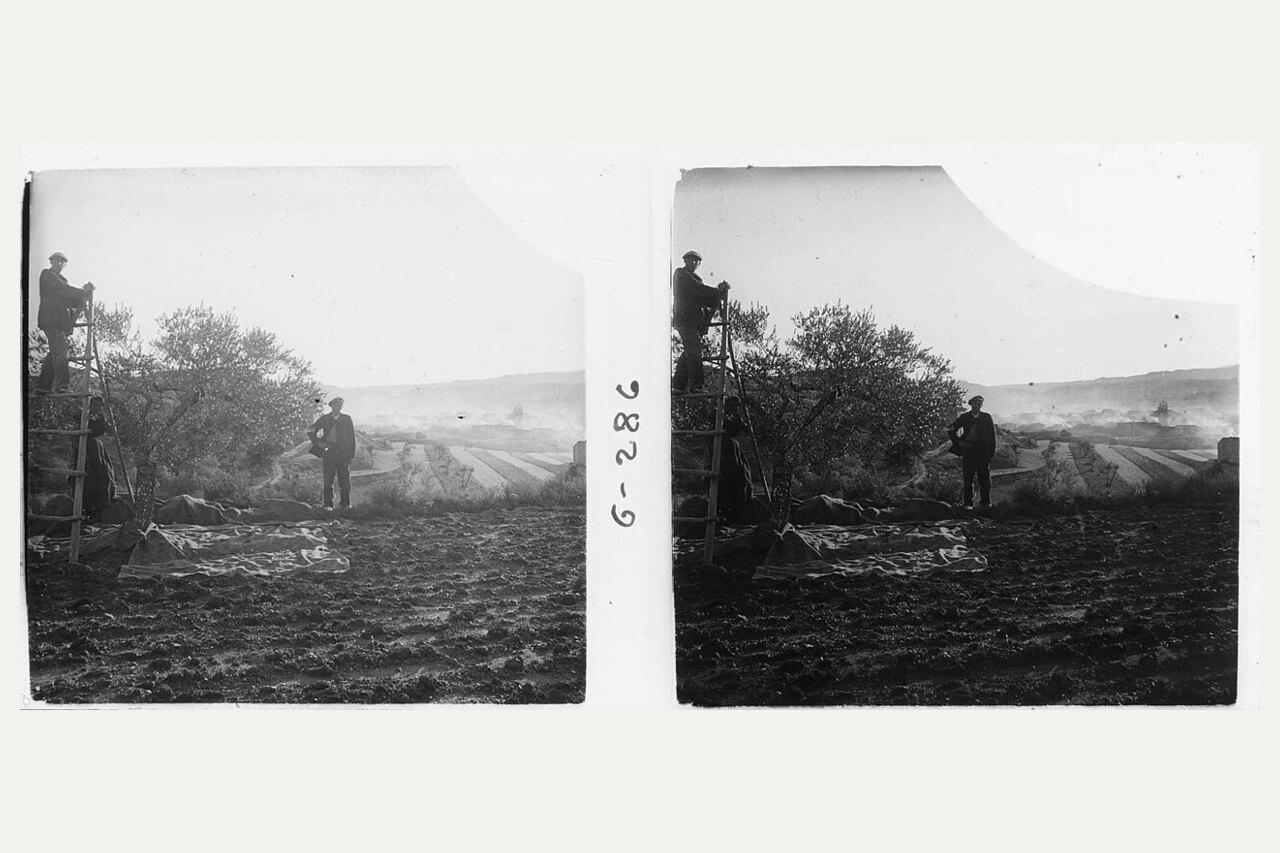
Les Borges Blanques adds the town behind the trade
Use Les Borges Blanques for the second half-day, especially when it is the base. Parc del Terrall, the central streets and ordinary shops show why “capital of oil” is an economic identity rather than a visitor slogan. Leave time to buy food for the journey and to compare the cooperative oil with what was tasted the previous day.
Cal Gineret offers a different layer. The municipal description identifies it as a late-19th-century former oil mill, one of the few remaining stone industrial buildings in town, later used as a Civil War air-raid shelter. It is not a substitute for seeing a modern producer, but it shows how oil storage, industry and civic memory occupied the same urban fabric. Check the town’s current guided-visit program before relying on interior access.
Do not use Sunday to race from Les Borges to Arbeca, Vinaixa and La Granadella simply because the distances look small. A cooperative counter, an interpretation space and an old mill each answer different questions. Two well-timed visits are more revealing than four locked doors.
Buy for the kitchen and the journey home
At the shop, read the producer, designation, container size and any harvest or lot information. A DOP seal verifies the protected origin and rules; it does not mean every household will prefer the same bottle. Buy one oil you enjoyed raw and, if useful, a larger tin for regular cooking rather than several gift bottles chosen by packaging.
Keep oil cool, dark and closed. In a car, place bottles upright in a box or bag where they cannot roll, and do not leave them in a sunny boot through lunch. For air travel, full-size oil normally belongs in checked luggage: seal each container in a separate bag, cushion it, observe the airline’s weight limit and retain the receipt.
If the confirmed mill cancels or harvest work makes the production floor unavailable, keep the appointment as a shop conversation if staff offer one, then use the CCOC or Cal Gineret after reconfirming access. The weekend still works when it produces one informed purchase and a clearer view of village labor. It fails only when visitors treat a busy press as scenery they are owed.
Related guides
- Cerdanya Village Loop: Llívia, Ger and Bellver by Car
Drive a measured Cerdanya loop through Llívia, Ger and Bellver, ordered around the museum, lunch, parking and winter road conditions.
- La Bisbal, Monells and Madremanya: A Working Empordà Weekend
Anchor an Empordà weekend in La Bisbal’s ceramics trade, then visit Monells and Madremanya without treating lived-in villages as scenery.
- Horta de Sant Joan: Village Streets and a Countryside Day
Spend a village-first day in Horta de Sant Joan with the Centre Picasso, a local lunch and an optional visit to the Sant Salvador surroundings.
Are you in the know?
Receive new articles, local updates, and occasional offers from selected partners. We never share your email address. Unsubscribe at any time.
By subscribing you agree to our privacy policy.