Village
Montblanc: Walls, Gothic Streets and a Train-Based Day
Walk Montblanc from its station through gates, walls, churches, and everyday squares without letting the medieval image erase the living town.
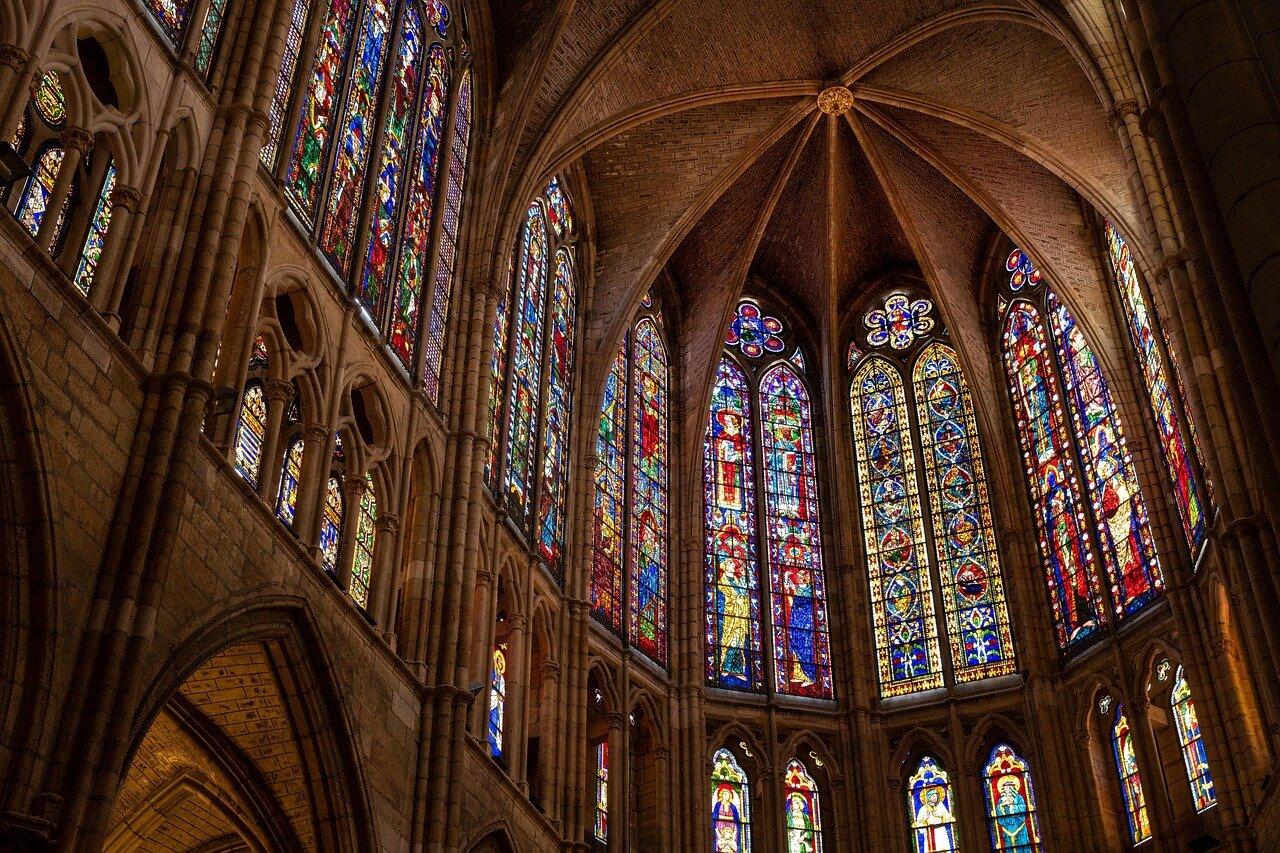
Montblanc’s walls give it a strong silhouette, but the useful visit happens at street level: gates, Gothic buildings, small shops, schools, homes, and squares still form a working county town. The railway makes a car-free day possible when the timetable cooperates.
Plan at a Glance
- Route: Montblanc station → visitor office → official wall-and-old-town circuit → one open interior or guided wall section → lunch in the center → short riverside or outer-wall walk → station.
- Walking: 4–6 km; allow 5–7 hours including lunch.
- Transport: Rodalies / regional trains serving Montblanc on the Lleida–Tarragona corridor—confirm your Barcelona connection and any bus interchange. Driving is simple outside festival weekends.
- Budget: €25–55 per person for rail, one admission or guided visit, and food.
- Book: guided wall tours when listed; reserve lunch during the medieval festival week, when this calm plan barely applies.
Compare stays in Montblanc if extending overnight only after checking the exact location, inclusions, cancellation rules, and access requirements.
Information checked August 2026. Get current guided-visit times and monument openings from Montblanc Medieval and confirm trains through Rodalies.

Do Not Assume Every Door Opens
Churches, towers, and wall sections have different schedules; some open only with a guide or during events. Begin at the visitor office and select the one interior actually available. Historic streets include cobbles, slopes, and steps, so ask for the most accessible route when needed.
Allow €15–28 for lunch. During the major medieval festival, reservations, crowd controls, and transport demand transform the town; this itinerary is better on an ordinary day. For a quieter overnight nearby, the Poblet monastery weekend pairs well with Montblanc across two days without forcing both into one timetable.
If you arrive by train, walk into town without assuming taxis wait at every service. The approach from the station is part of reading the walls as a living perimeter rather than a theme-park gate.
Look Beyond the Legend
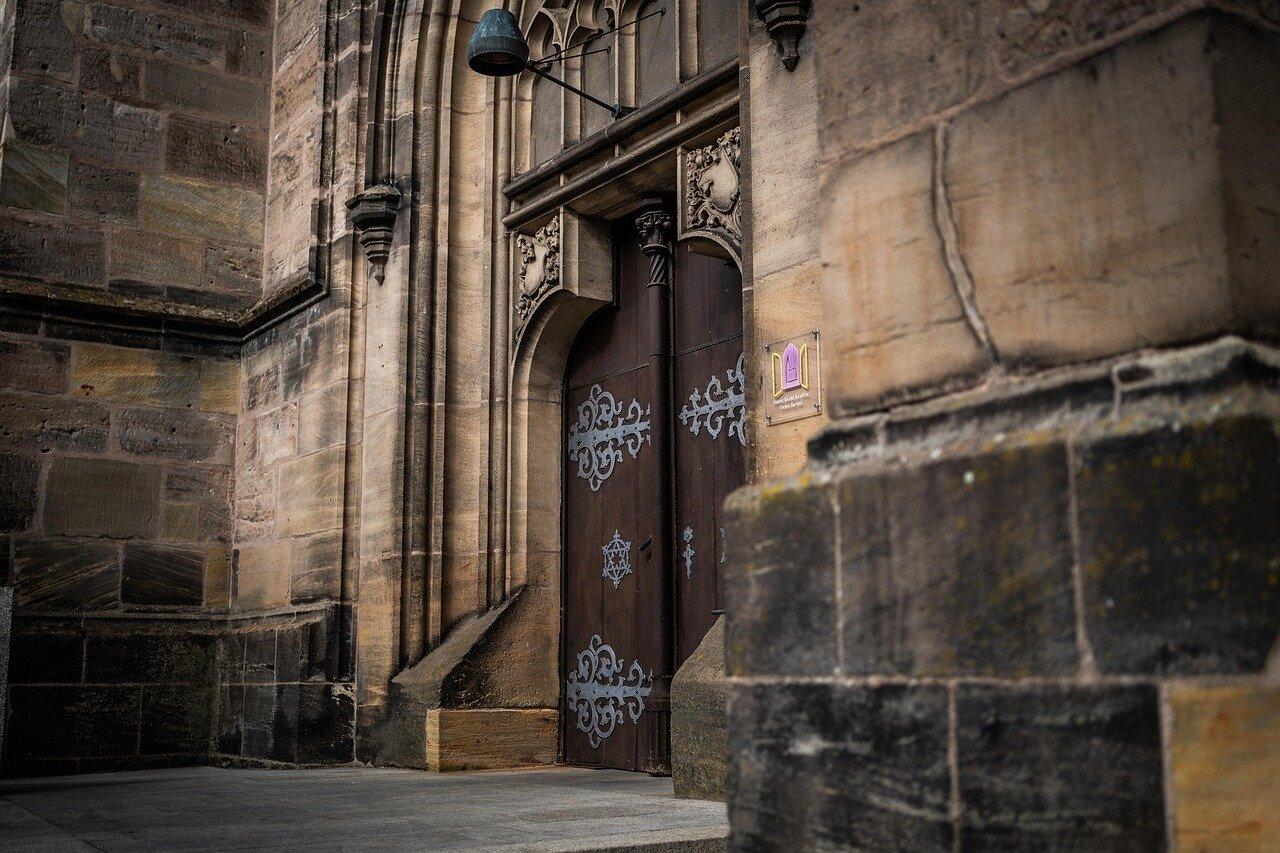
Montblanc has a strong Sant Jordi association, but a dragon story should not flatten its Jewish, religious, civic, and commercial history. Use official interpretation and read plaques rather than repeating invented medieval claims from social media. Give equal time to ordinary streets, small shops, and the way modern life sits inside older fabric.
Keep doorways open, photograph residents with permission, and remember that the most picturesque façades may be homes. If rain makes wall access unsafe, use the old center’s available interiors and cafés, then return on an earlier train. A shortened cultural day still beats a wet scramble on slippery stone for a wall selfie.
How Long to Stay
A focused day is enough for walls, one interior, and lunch. An overnight helps if you want evening quiet inside the gates or an early start toward Poblet or the Prades hills. Do not force Montblanc into the same day as a Priorat wine route or a long mountain hike; the town’s pleasure is walking slowly enough to notice shops, schoolyards, and ordinary doorways between the photogenic towers. Bring shoes with grip for cobbles, and a layer for wind along the exposed wall walks. Before leaving the visitor office, ask which gates and wall walks are open that day and whether any temporary events will close streets; a five-minute briefing prevents a wasted circuit of locked doors. Carry water even in town—summer shade is uneven along the walls.
Information checked August 2026 against the official or primary sources linked above.
Execution Checks for Montblanc
Pin the actual access point for Montblanc before departure: trailhead, greenway junction, beach access, or public car park as appropriate. Download the last kilometre as well as the headline route, and note where a taxi, support vehicle, or shorter return remains possible if the group cannot continue.
Break Montblanc into a start check, a midpoint decision, and the final safe exit. Record the point after which turning back is no longer the simplest option. This makes it possible to shorten the outing coherently when wind, heat, surface conditions, fatigue, or a mechanical delay changes the expected pace.
Calculate elapsed time for Montblanc, not only moving time. Navigation pauses, water, photographs, equipment adjustments, and the slower final section all count. Establish a turnaround time that preserves daylight and the booked pickup, train, or rental return even if the distance recorded so far looks comfortable.
Judge Montblanc by surface, ascent, exposure, and exit options as well as headline distance. Plan for the least experienced participant, test equipment before the committing section, and carry the route offline. If effort is already high in the first third, switch to the shorter version while the return remains simple.
For a complementary decision after Montblanc, use Besalú Travel Guide: Bridge, Jewish Heritage and a Slow Medieval Day; its focus on Besalú Travel Guide extends the plan without repeating the same route.
Related guides
- Besalú Travel Guide: Bridge, Jewish Heritage and a Slow Medieval Day
Plan an unhurried visit to Besalú, from its iconic Romanesque bridge and Jewish heritage to the lanes, river views, and nearby countryside.
- Vic Beyond Market Day: Squares, Food and the Old Town
Plan Vic by train around its market rhythm, medieval center, one museum, and a lunch that does not depend on Saturday crowds.
- La Garrotxa Travel Guide: Volcanoes, Forests and Medieval Villages
Volcanic parks, La Fageda d’en Jordà, Croscat, Santa Pau, and Olot—how to explore inland Catalonia’s green Garrotxa region.