Rural
Besalú Travel Guide: Bridge, Jewish Heritage and a Slow Medieval Day
Plan an unhurried visit to Besalú, from its iconic Romanesque bridge and Jewish heritage to the lanes, river views, and nearby countryside.
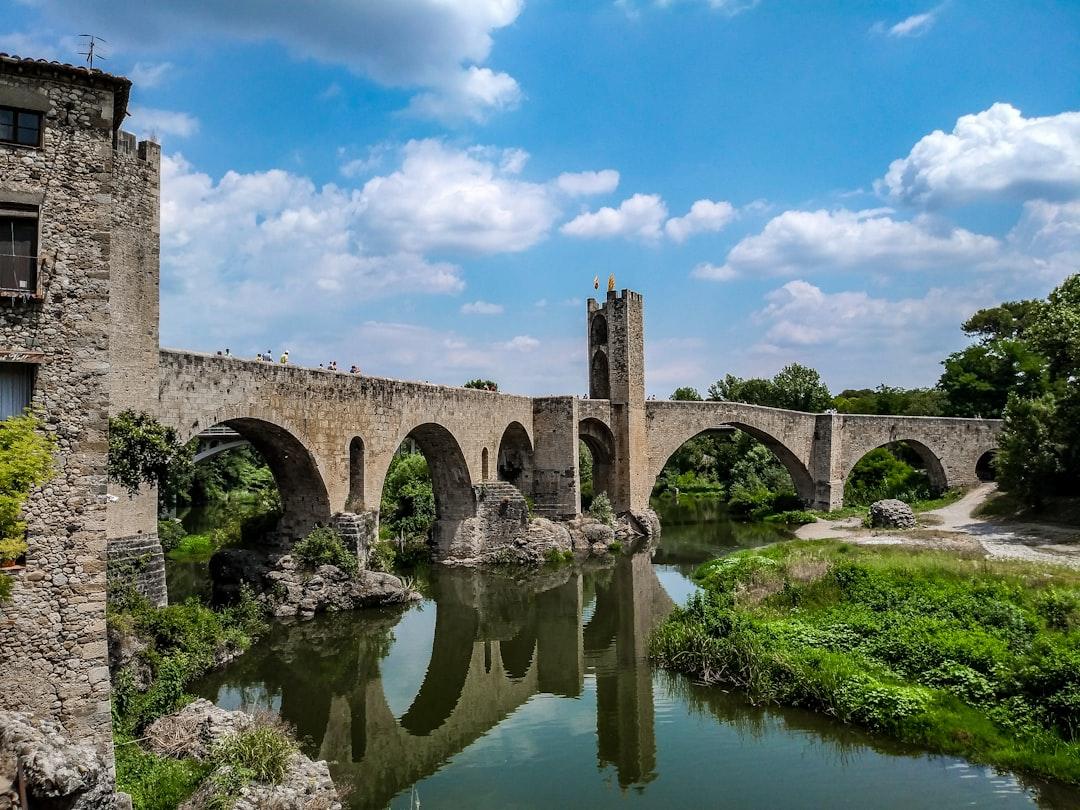
Besalú’s bridge gets the photograph, but the town earns the visit. Once you cross the Fluvià, the view opens into a compact network of stone lanes, Romanesque buildings, and traces of a medieval Jewish community that give the place far more depth than a roadside stop.
Allow half a day for the historic center and lunch, or stay until late afternoon to walk by the river after the crowds thin. Besalú is small enough to explore without a strict route—and better when you do.
Begin at the Medieval Bridge
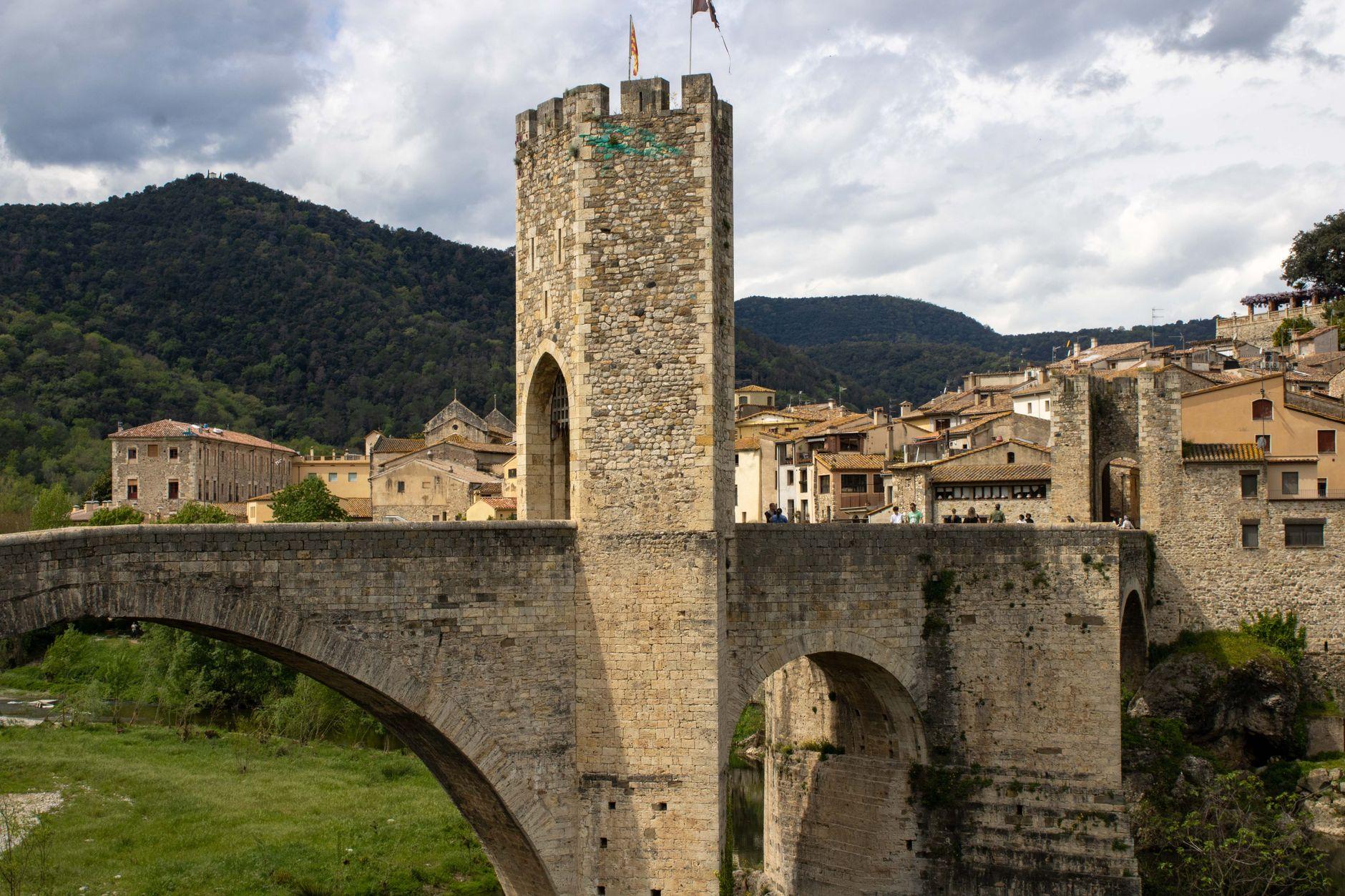
The fortified bridge over the Fluvià is Besalú’s defining view. Its pointed arches and central tower make a dramatic entrance to the old town, particularly in the early morning or later afternoon.
Cross on foot and pause to look along the river rather than rushing straight into the center. Water levels, light, and the season all change the scene. The bridge is a public historic structure, so keep to the pedestrian route and be considerate when it is busy.
Wander the Old Town
Inside the bridge, narrow lanes rise gently toward small squares, stone façades, and the church of Sant Pere. Besalú was an important medieval county town, and its layout still feels coherent rather than museum-like.
Plaça de la Llibertat is a useful place to orient yourself. From there, allow yourself to take the smaller streets without a rigid route. The center is small enough that getting slightly lost is part of the pleasure.
Understand the Jewish Quarter
Besalú had a significant Jewish community in the Middle Ages. One of the most important surviving sites is the medieval ritual bath, or mikveh, discovered beneath a later building.
Access is usually through a guided visit or a scheduled opening, so check the local tourism office or official heritage information before travel. A visit adds context that is not visible from the streets alone. It is also a reminder that the town’s history includes communities and traditions beyond its familiar Romanesque architecture.
See Sant Pere and the Romanesque Details
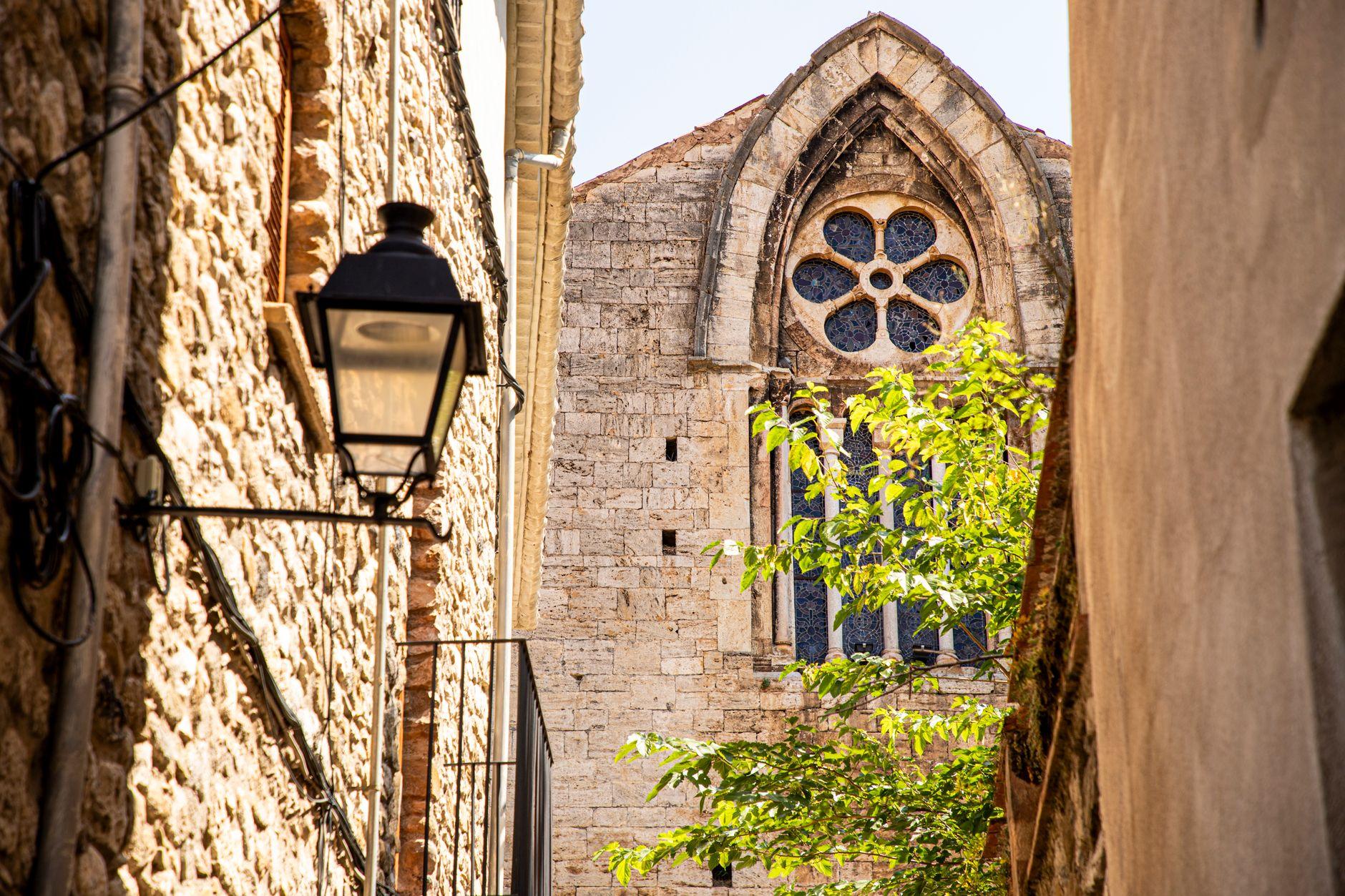
The monastery church of Sant Pere stands near the heart of the historic center. Look at the entrance, arches, and carved stonework, then continue through the streets around it. Besalú rewards close observation: doorways, worn steps, covered passages, and small courtyards often provide the strongest sense of age.
Not every historic building is open to visit. Treat exterior viewing as part of the experience and avoid assuming that private houses or religious spaces are tourist attractions.
Leave Time for Lunch
Besalú has cafés and restaurants around the center, and it makes a natural lunch stop when driving between Girona and La Garrotxa. Book ahead for weekend lunch if there is a particular place you want to try.
For a quieter experience, eat a little earlier or later than the busiest local lunch period. Afterward, walk back toward the bridge and follow the river views before returning to the car.
Combine Besalú with Nearby Places
Besalú combines well with the volcanic landscapes of La Garrotxa, the town of Olot, or other villages in the county. Avoid trying to see every place in a single day: the roads are attractive, but slow travel is more rewarding than collecting stops.
If you are arriving from Barcelona, a car is the most flexible option. Public-transport connections exist through nearby towns but can make a day trip less straightforward. Check current routes and timings before relying on them.
Practical Tips
Wear shoes suitable for uneven stone paving. Summer afternoons can be hot, while winter light can fade early in the narrow streets. The town is popular with day visitors, so early morning and late afternoon are the calmest times to photograph the bridge and walk the center.
Besalú is not large, and that is its strength. Come for the bridge, but stay long enough to notice the history held in its lanes and along the river.
Are you in the know?
Don’t miss our latest Catalonia stories, routes, and practical travel tips.